Last updated November 17, 2026
Free written scope consultation - allowances, timeline, and change-order rules on paper before a single trade is scheduled
How Long Does Fence Installation Take? Timelines and What to Expect
Most homeowners budget for the fence, not the waiting. The average fence installation takes 1 – 3 days of physical labor, but the full project from signed contract to final post stretches 3 – 6 weeks in Spring Valley. The gap isn’t the crew swinging hammers. It’s utility locates, permit review, material lead times, and desert ground that fights the post-hole digger. Understanding every phase is how you plan a fence that actually finishes on schedule instead of dragging into a second month. Here’s the full timeline, phase by phase, with the Spring Valley details that trip up plans.
Quick Answer
A typical fence installation takes 1 – 3 days of on-site work, but the complete project runs 3 – 6 weeks from contract to completion once you factor in utility marking, permit approval, and material delivery. In Spring Valley, soil conditions and summer heat can add a few days to the install itself, so a realistic planning window is closer to 4 – 6 weeks for most residential projects.
Styles & brands we work with
- Kitchen remodeling
- Bathroom remodeling
- Home additions & ADU
- Roofing
- Windows & doors
- Driveway & pavers
- Fence
Table of Contents
- The Four Phases of a Fence Project
- Phase 1: Utility Locating and the 811 Call
- Phase 2: Permits, HOA Approval, and Property Lines
- Phase 3: Material Lead Times by Fence Type
- Phase 4: The Actual Installation Days
- How Spring Valley’s Caliche Soil Affects Your Timeline
- Weather Windows in Southern Nevada
- Questions to Ask Before You Sign
The Four Phases of a Fence Project
The mistake almost everyone makes is treating “how long does fence installation take” as a single number. It isn’t. A fence project runs through four separate phases, and only one of them involves a crew in your yard. The other three are where schedules quietly fall apart.
- Utility locating – before anyone digs, buried gas, water, electric, and communication lines need to be flagged. This is legally required and takes time to schedule.
- Permits and approvals – your municipality and HOA may both have a say, and each can add review days.
- Material delivery – vinyl panels, cedar boards, wrought iron sections, and concrete all come from suppliers with their own timelines.
- Installation – the actual build, usually 1 – 3 days for a standard residential lot.
When a contractor quotes you “two days,” they’re quoting phase four only. That’s not dishonest, but it’s incomplete. A realistic conversation covers all four. In our experience across Spring Valley neighborhoods, the projects that finish on schedule are the ones where the homeowner understood the front-end phases before signing.
Phase 1: Utility Locating and the 811 Call
Utility marking is the first real step, and it’s non-negotiable. Before a single post hole is dug, your contractor must call 811, the national call-before-you-dig service, so utility companies can mark buried lines on your property. Digging into a gas or electric line is dangerous and expensive, and doing so without a locate is a liability you don’t want.
Here’s what the timeline looks like:
- Call 811: typically 2 – 3 business days before digging is scheduled.
- Marking window: utilities usually respond within 2 – 5 business days in the Spring Valley area.
- Private lines: lines on your side of the meter (irrigation, landscape lighting, pool equipment feeders) aren’t always marked by the public locate. These may need a private locator, adding 2 – 4 days.
Spring Valley homes with mature desert landscaping often have irrigation lines and low-voltage lighting run close to property edges, right where a fence line wants to go. If those aren’t located and you hit one, the repair and the re-schedule can cost a week. A serious contractor builds this step into the schedule from day one instead of discovering it the morning of the dig. If you’re thinking about combining phases of your project, our team at Groundwork Construction Co. of Spring Valley can coordinate scheduling so the fence doesn’t sit waiting on another trade.
Phase 2: Permits, HOA Approval, and Property Lines
Not every fence needs a municipal permit, but plenty do, and HOA approval is a separate gate that catches homeowners off guard. Around Spring Valley, the rules depend on the community. Some neighborhoods have architectural review committees that meet on a set schedule, sometimes only once or twice a month. Miss the meeting and you’ve added weeks, not days.
What to expect during this phase:
- Municipal review: where a permit is required, plan review commonly runs 1 – 2 weeks. Height limits, setback rules, and sight-line requirements at corners come into play.
- HOA architectural approval: often 1 – 3 weeks depending on the committee’s meeting cadence. Materials, color, and height all need sign-off.
- Property line verification: before the first post, confirm boundaries. An existing survey or a quick professional check avoids building on a neighbor’s lot, which is an expensive mistake to unwind.
Spring Valley has a wide mix of parcels, from newer tract homes with tract-specific HOA design rules to older properties on larger lots where a survey may not exist. Getting the survey or plat map in hand early is the difference between a fence that goes up clean and a fence that sits in dispute. If you want a straight answer on whether your project needs permits, ask before signing – a contractor who can’t tell you is guessing.
Phase 3: Material Lead Times by Fence Type
This is the phase homeowners underestimate most. Fence type drives lead time more than almost anything else, and in busy seasons suppliers run behind. Here’s a rough picture of what different materials mean for your schedule.
- Wood (cedar or pine): often the fastest to source, commonly 1 – 2 weeks if in stock locally. Custom heights or specific board profiles add time.
- Vinyl: standard panels may be in stock; custom colors or premium profiles 2 – 4 weeks.
- Wrought iron and ornamental steel: fabrication-heavy, often 3 – 6 weeks depending on design and powder coating.
- Composite and simulated wood: 2 – 4 weeks, with some premium lines running longer in spring.
- Concrete and setting materials: usually quick, but bagged concrete quantities for a full run need coordinating.
Spring is the busiest fence season in Southern Nevada, and suppliers feel it. Ordering materials before permit approval can be tempting, but it risks buying material for a fence design the HOA later rejects. The disciplined sequence is approval first, then order, and a contractor who plans around that sequence is the one whose quote holds up. If you’re adding hardscape alongside the fence, our Driveway & Pavers in Spring Valley page covers coordinating those timelines so materials and crews don’t collide.
Phase 4: The Actual Installation Days
Now the part everyone asks about. The physical build for a standard residential lot in Spring Valley typically runs 1 – 3 days. A small yard with a simple wood privacy run can be a single long day. A larger lot with multiple gates, a mix of materials, and a slope to accommodate can stretch to four or five. Here’s the general flow crews follow:
- Layout and string lines – marking the exact run, gate positions, and post spacing.
- Post hole digging and setting – the slowest, most variable step. Desert soil makes this unpredictable (more below).
- Cure time – concrete needs time to set before panels and rails go up. In summer heat, this is managed carefully, not rushed.
- Panels, rails, and gates – the visible build. Gates need to hang square and swing true.
- Cleanup and final walkthrough – hauling off debris, confirming the gate latches, walking the line with you.
The wall most jobs hit is not the panels; it’s the post setting. Holes dug through hard desert ground take longer, and rushed concrete that hasn’t cured properly is the number-one cause of leaning fences two years later. A crew that quotes you “one day, guaranteed” on a tough Spring Valley lot is either rushing the cure or padding the plan somewhere else.
How Spring Valley’s Caliche Soil Affects Your Timeline
This is the local detail that separates a realistic timeline from a wishful one. Spring Valley’s desert terrain includes caliche, a dense layer of calcium carbonate that behaves like natural concrete in the ground. Caliche can slow post-hole digging dramatically. Where ordinary soil gives way to a post-hole digger in minutes, caliche can require different equipment and several times the effort per hole.
What that means for your schedule:
- Digging time grows: a run that would be a half-day on soft soil can take a full day or more when caliche is hit repeatedly.
- Equipment changes: augers and digging bars that work elsewhere may not cut caliche, so crews bring the right tools or the job stalls.
- Cure time still applies: concrete needs to set before panels go up. A typical cure window runs a day or so before hanging, and warm-weather pours are managed to avoid cracking.
Because caliche is uneven, one section of a Spring Valley yard can dig fast and another can fight back, which is exactly why we warn customers that the “install days” number is a range, not a fixed figure. If you’re in a neighborhood where the digging is historically stubborn, add a day to the plan rather than counting on luck.
Weather Windows in Southern Nevada
Spring Valley doesn’t get much rain, but the heat matters more than most people expect, and the wind and the occasional monsoon matter too. Here’s how the calendar actually affects a fence project.
- Summer heat (June – August): concrete sets faster in high heat, and crews manage pours and cure times carefully rather than rushing them. Extreme heat also shifts crew scheduling to earlier hours, which can extend the calendar on bigger jobs.
- Monsoon season (roughly July – September): isolated storms can pause digging and dump water into open holes. A wet week can push back a pour.
- High winds: panels and gates are harder to handle and align safely in strong gusts, occasionally pausing the panel-setting stage.
- Winter and early spring: the most predictable working window. Cooler, dry months keep concrete curing steady and crews on schedule.
None of this is a reason to avoid a fence; it’s a reason to plan around the calendar. Builders in Spring Valley who quote a firm finish date in the middle of monsoon season without a weather cushion are setting themselves up to miss it.
Questions to Ask Before You Sign
Whether a quoted timeline is realistic often comes down to a handful of questions asked before you commit. A contractor with a solid plan answers these without hesitation. Vague answers are your early warning. Ask, in writing:
- “When will you call 811, and who schedules it?” If they don’t mention utility locating, they’re not planning the front end.
- “Does my project need a municipal permit or HOA approval, and when will you file?” The answer tells you whether they’ve checked the local rules.
- “What material lead time are we working with?” Ask for the supplier and a realistic delivery window, not just “soon.”
- “What’s your cure time for the concrete, and how does heat affect it?” A rushed cure leads to a leaning fence.
- “How many days of install are you actually scheduling, caliche included?” A range is honest; a single guaranteed day on tough ground usually isn’t.
- “What’s your warranty, and does it cover workmanship like leaning or post failure?” Materials and workmanship are separate promises.
- “What happens if it rains or the wind picks up?” Ask for the buffer in their schedule. Real plans have one.
Ask these questions before you sign, not after, and you’ll know which quotes are grounded and which are guesswork. If you want a comparison point, our own Fence Installation in Spring Valley page walks through what a realistic plan looks like for local projects.
Common Mistakes to Avoid
- Skipping the property line check. Building a foot onto a neighbor’s lot in a Spring Valley community with tight parcels creates a dispute that can force a tear-down. Confirm the line before any post goes in.
- Forgetting the HOA until after ordering. A design the architectural committee rejects can waste a full material order. Get approval first, then order.
- Digging before 811 marks. Hitting a buried irrigation, gas, or electric line is dangerous and costly, and no locate means you own the liability. Always wait for the marks.
- Rushing the concrete cure in the heat. In Southern Nevada summers, soldiers want to speed up the pour; a rushed cure is the fastest route to a leaning fence. Let it set properly.
- Believing a one-day quote on hard ground. Caliche doesn’t care about the schedule. A one-day promise on a tough Spring Valley lot usually means someone will cut a corner somewhere.
- Buying on price alone. The cheapest bid often skips the locate or the permit and later charges you for it. Compare what each quote actually covers, not just the total.
- Not asking about the workmanship warranty. A fence that looks fine in month one and leans in year two is a warranty matter. Get it in writing before the crew arrives.
See the difference
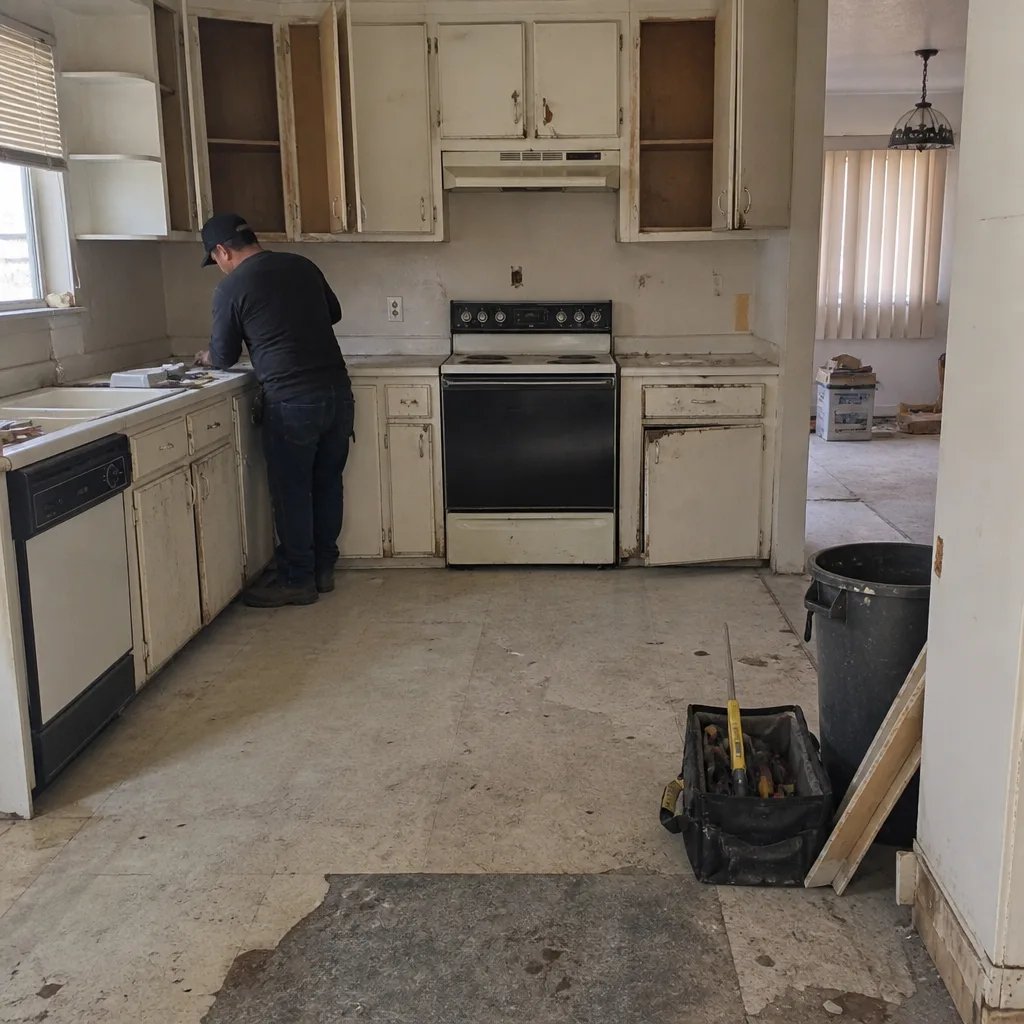 Before
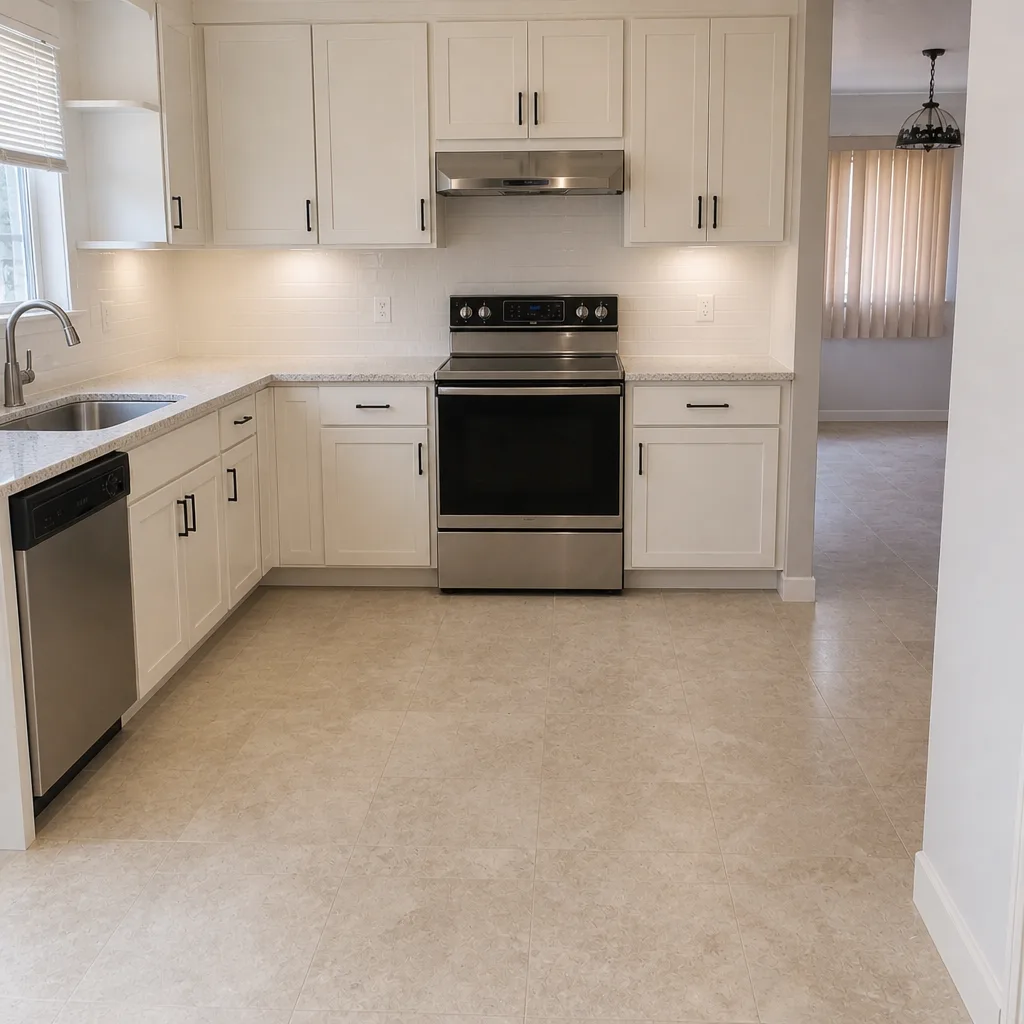 After
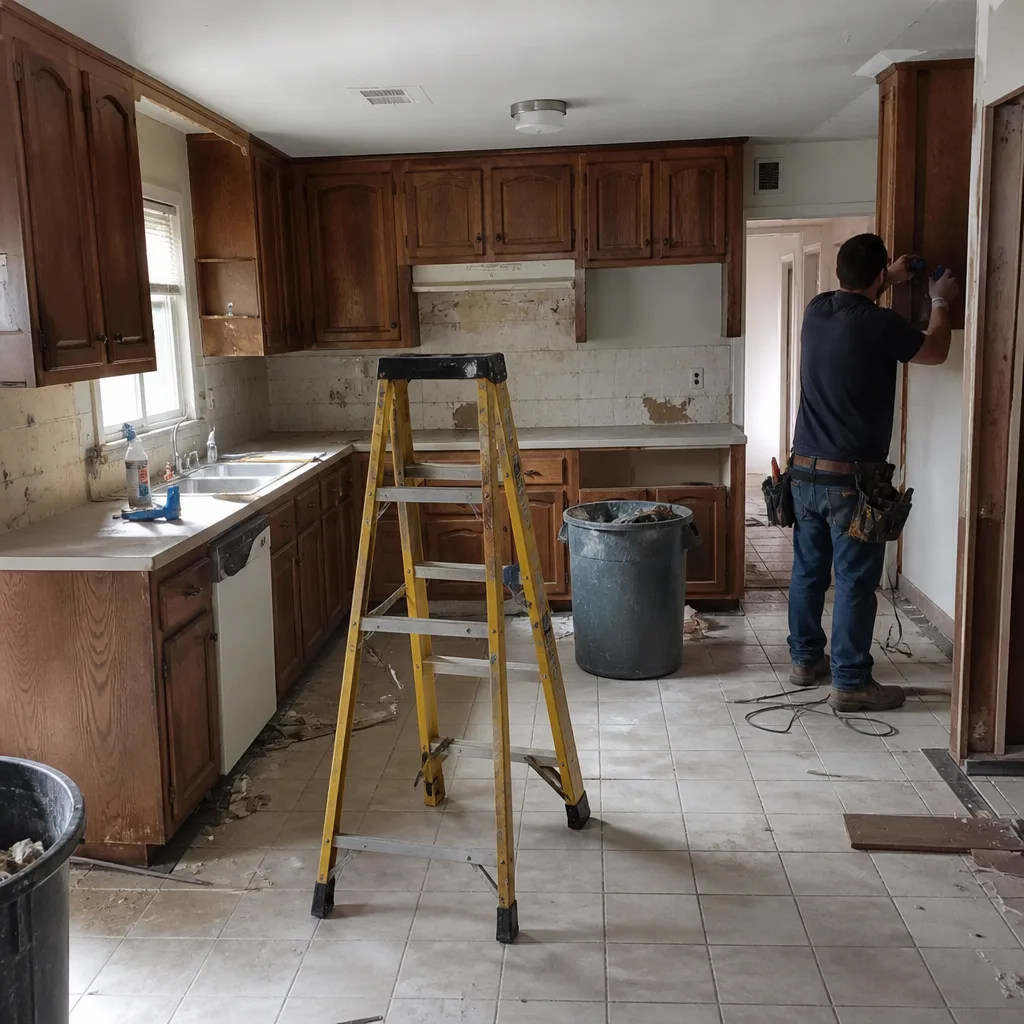 Before
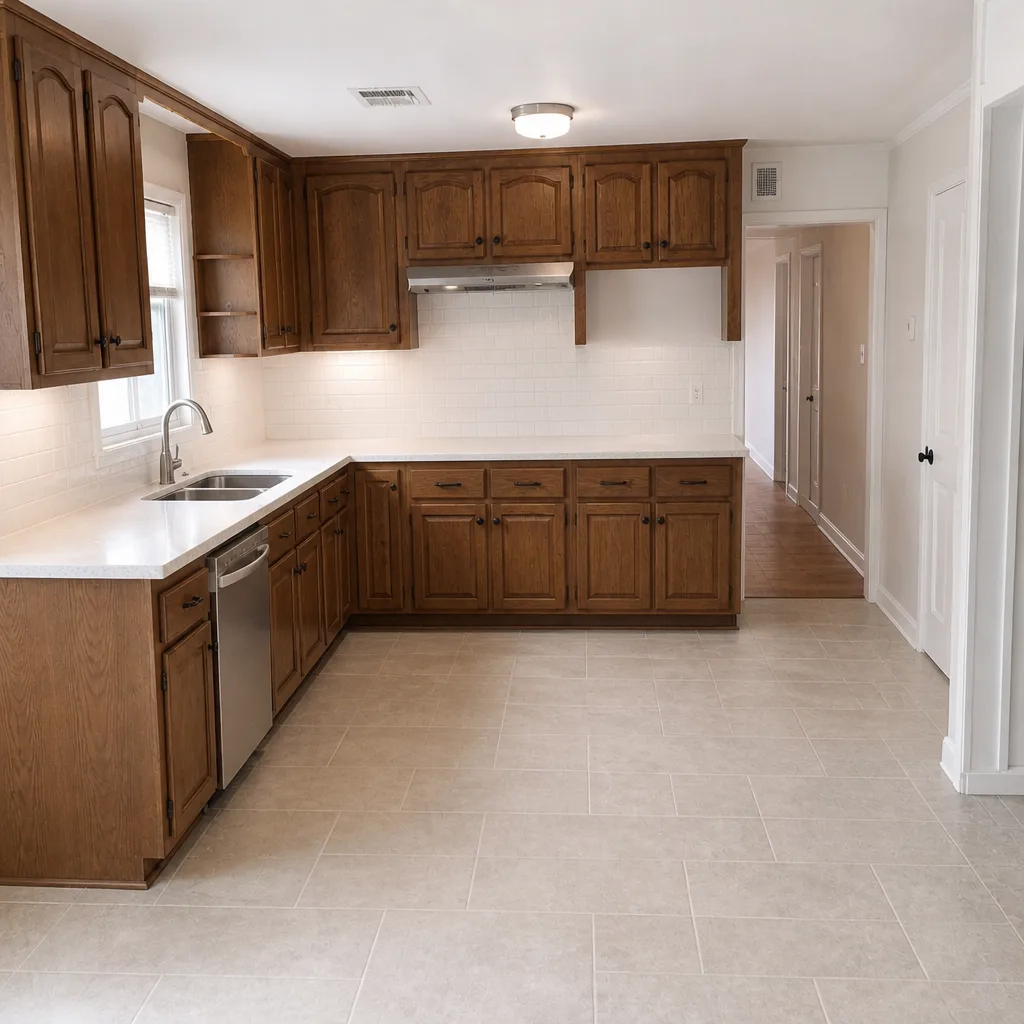 After
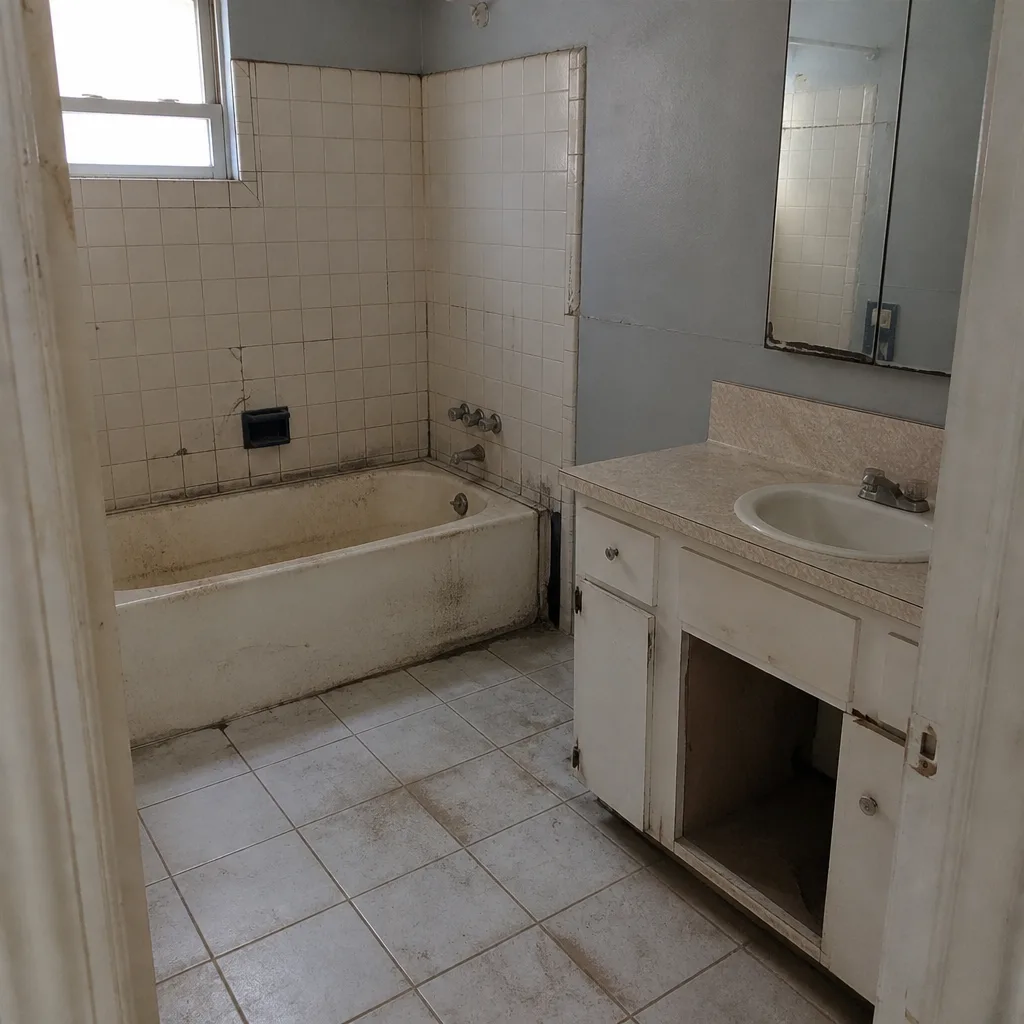 Before
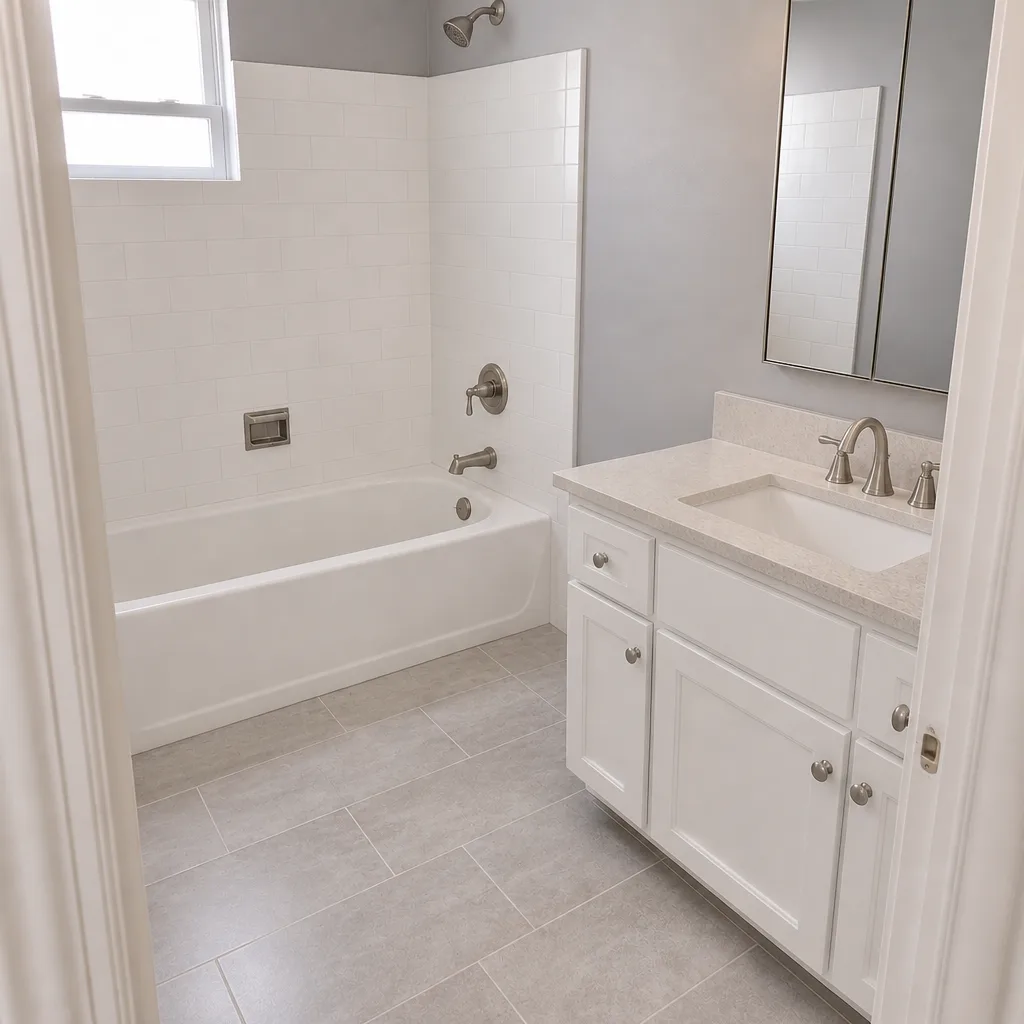 After
When to Call a Professional
Some parts of a fence project are genuinely a job for a trained crew. Post digging through caliche, concrete pours that need proper cure, and hanging gates that swing true are all easy to get wrong and hard to fix later. Add utility locating, permit paperwork, and HOA approval, and the list of things that can derail a DIY fence in Spring Valley grows fast. If your property line needs verification, if you’ve hit hard caliche, if you’re putting in wrought iron or a custom gate, or if you simply want a timeline you can trust, that’s the point to bring in a professional. Our technicians have up to 12 years of experience, and we back every project with the 730-Day Done Right Promise. Groundwork Construction Co. of Spring Valley offers free estimates in Spring Valley – call (888) 329-9414 for a free estimate.
Frequently Asked Questions
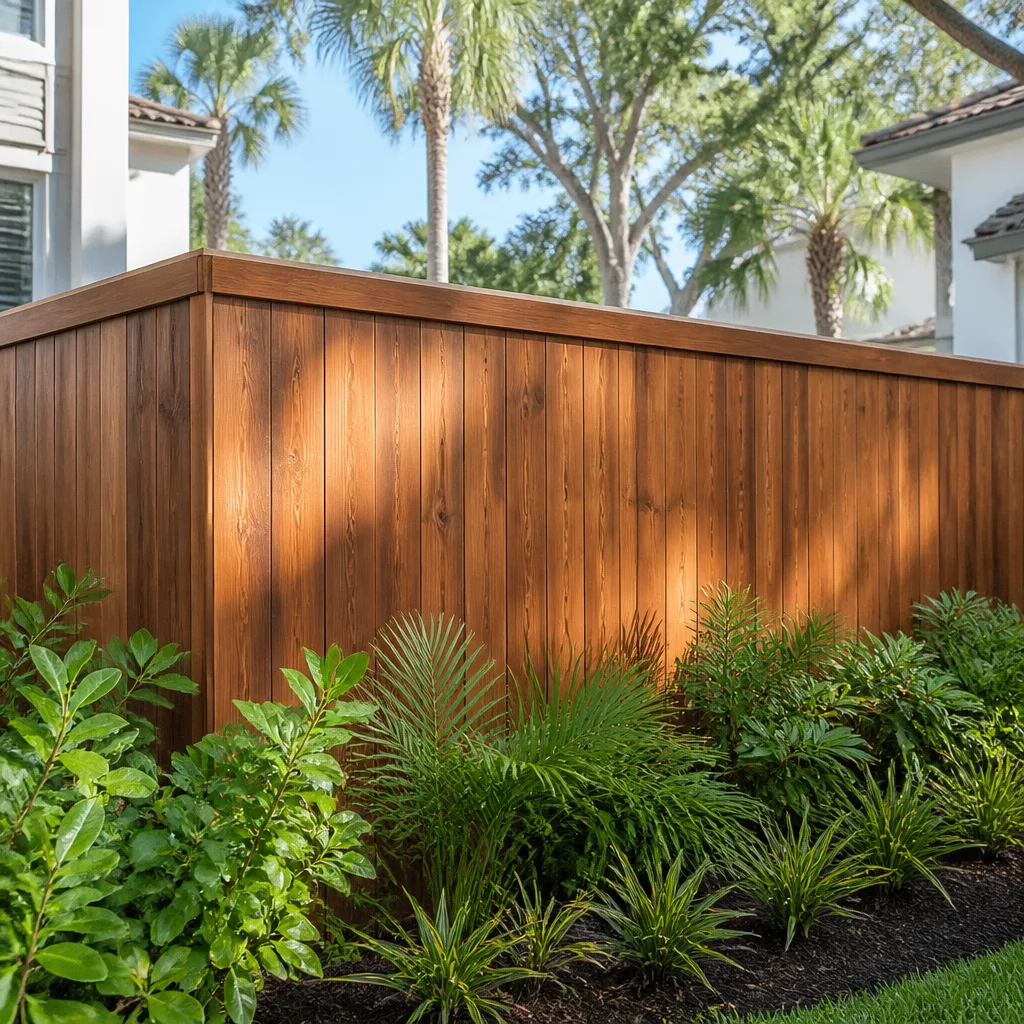
The physical installation takes 1 – 3 days for most Spring Valley residential lots, but the full project from contract to completion runs 3 – 6 weeks once utility locating, permits, HOA approval, and material delivery are included. Projects hitting heavy caliche or monsoon weather should budget closer to 4 – 6 weeks. Call (888) 329-9414 for a free estimate with a realistic timeline for your lot.
Often yes, depending on your municipality and HOA, and the requirements vary by community. Some Spring Valley neighborhoods require a municipal permit for certain heights, and many have HOA architectural review that meets on a set schedule. Confirm both before ordering materials. Call (888) 329-9414 and we’ll walk through what your project needs.
Because most quotes cover only the install days, not the front-end phases that actually determine the schedule: 811 utility marking, permit review, HOA approval meetings, and material lead times. Add caliche digging in Spring Valley and the real window stretches. A contractor who plans all four phases gives you a timeline that holds; estimates are free, so call (888) 329-9414.
You can use the fence as soon as the crew finishes, but the concrete needs to cure before the posts reach full strength. Most crews wait roughly a day for the pour to set before hanging panels and gates, and the posts continue curing in the days after. Keep heavy pressure off gates and posts for the first few days. Call (888) 329-9414 to schedule a free estimate.
Wood is usually the fastest to source and install, often with a 1 – 2 week material lead time when standard boards are in stock locally. Vinyl is close behind for standard panels. Wrought iron and custom ornamental steel run 3 – 6 weeks because of fabrication and powder coating, which pushes the whole timeline out. Call (888) 329-9414 for a lead-time estimate on the material you’re considering.
You can shorten the front-end phases, but you can’t skip them. Get the survey done early, submit HOA paperwork immediately, order standard materials rather than custom, and avoid scheduling during monsoon season if you can. Utility marking and concrete cure time are fixed. Call (888) 329-9414 for a free estimate and a schedule built around your calendar.
The Bottom Line
Fence installation is 1 – 3 days of work inside a project that usually runs 3 – 6 weeks. The build is the short part; utility locating, permits, HOA approval, material lead times, and Spring Valley’s caliche soil fill the rest. Plan around all four phases, ask the seven questions before signing, respect the concrete cure in the summer heat, and build in a weather buffer during monsoon season. Do that, and the fence goes up on a timeline you understood from day one. Estimating is straightforward once you know the questions – if you’re planning an addition at the same time, our Home Additions & ADU in Spring Valley guide covers how those longer timelines connect to landscape projects.
Ready for a straight answer on your project? Groundwork Construction Co. of Spring Valley offers upfront pricing, no surprises, and live human answers to your call around the clock. Our technicians have up to 12 years of experience, every project is backed by the 730-Day Done Right Promise, and we offer 0% financing for 18 months plus $1,000 off projects over $10,000. Call (888) 329-9414 to schedule your free estimate today.
Written by the team at Groundwork Construction Co. of Spring Valley.