Free written scope consultation - allowances, timeline, and change-order rules on paper before a single trade is scheduled
Styles & brands we work with
- Kitchen remodeling
- Bathroom remodeling
- Home additions & ADU
- Roofing
- Windows & doors
- Driveway & pavers
- Fence
See the difference
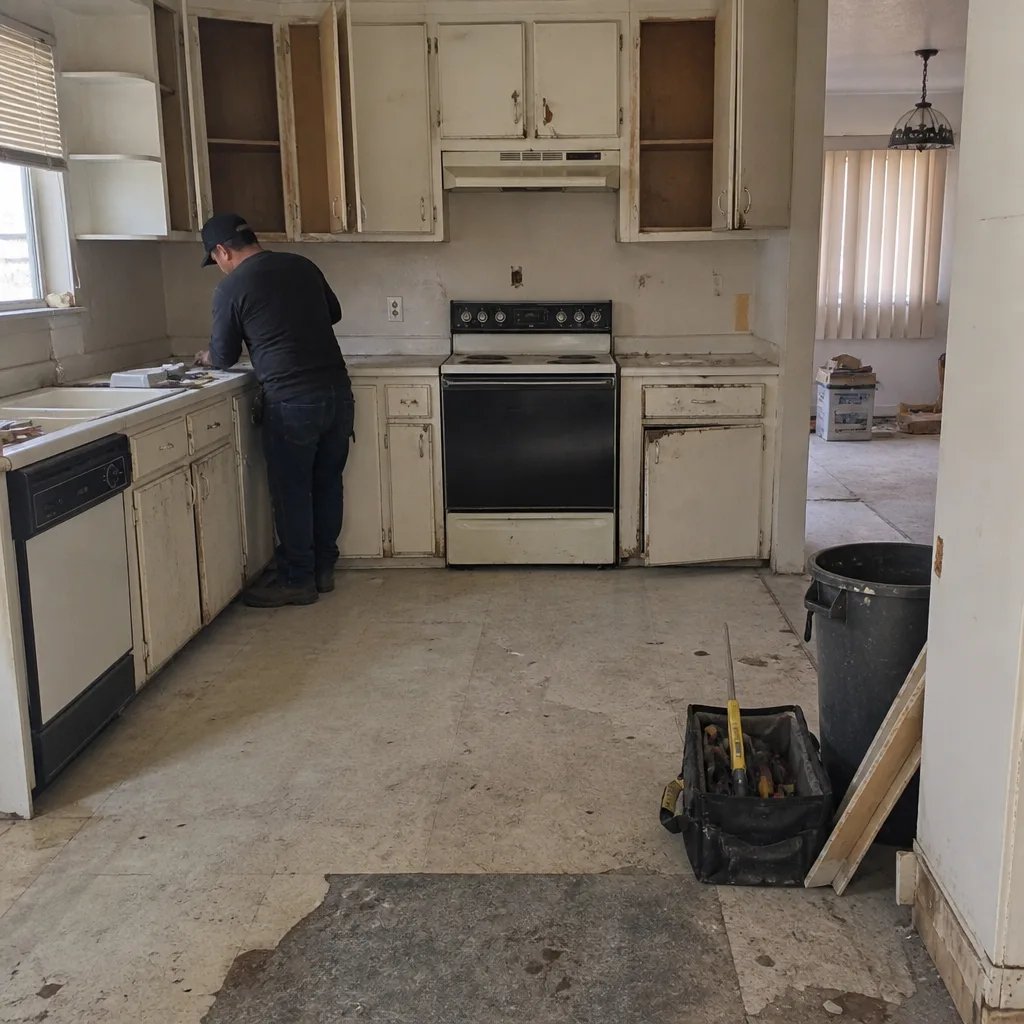 Before
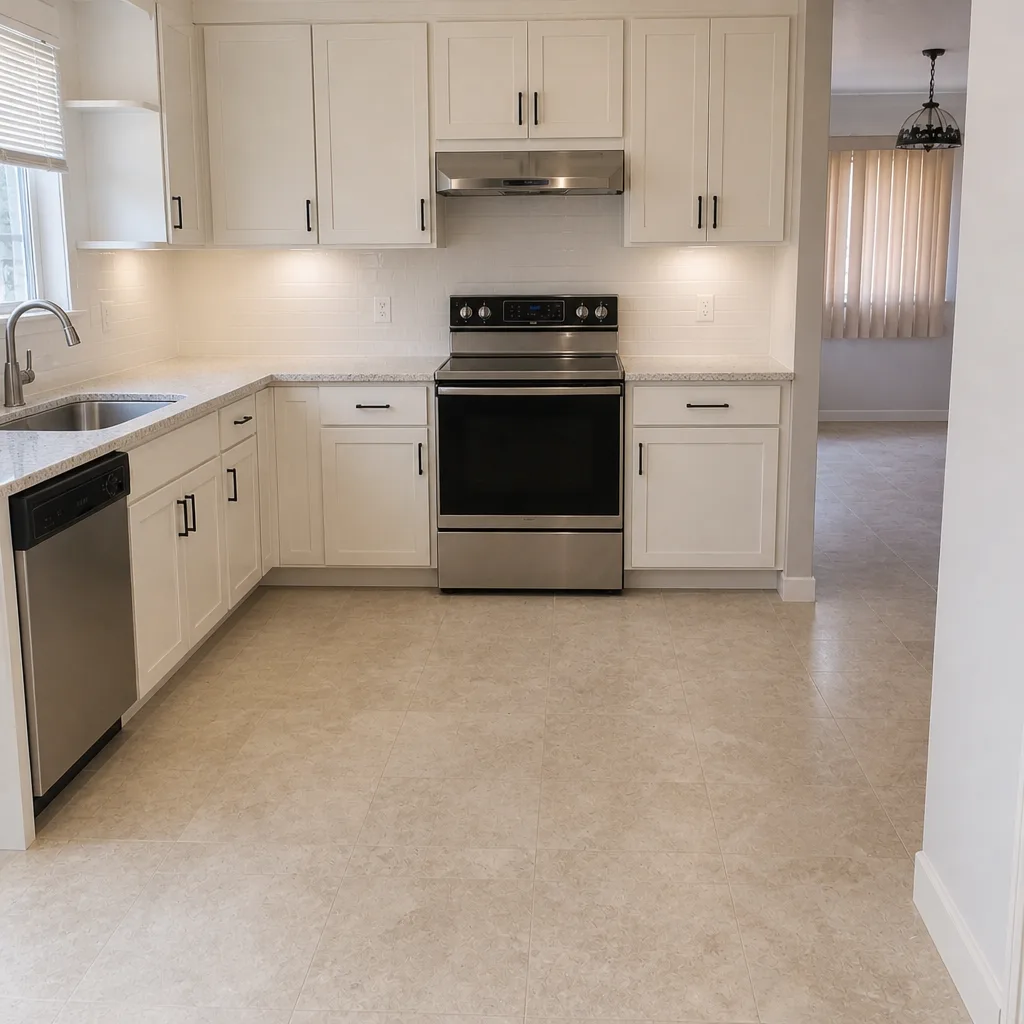 After
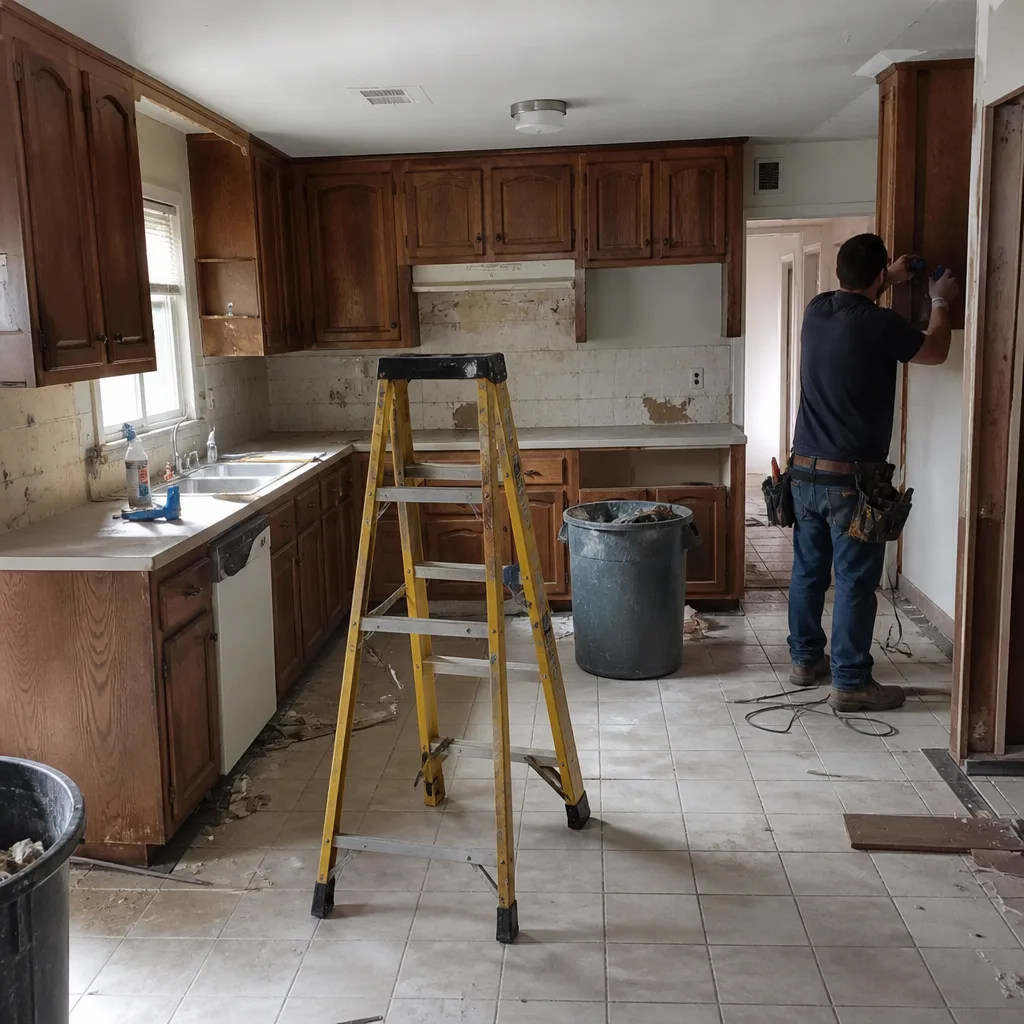 Before
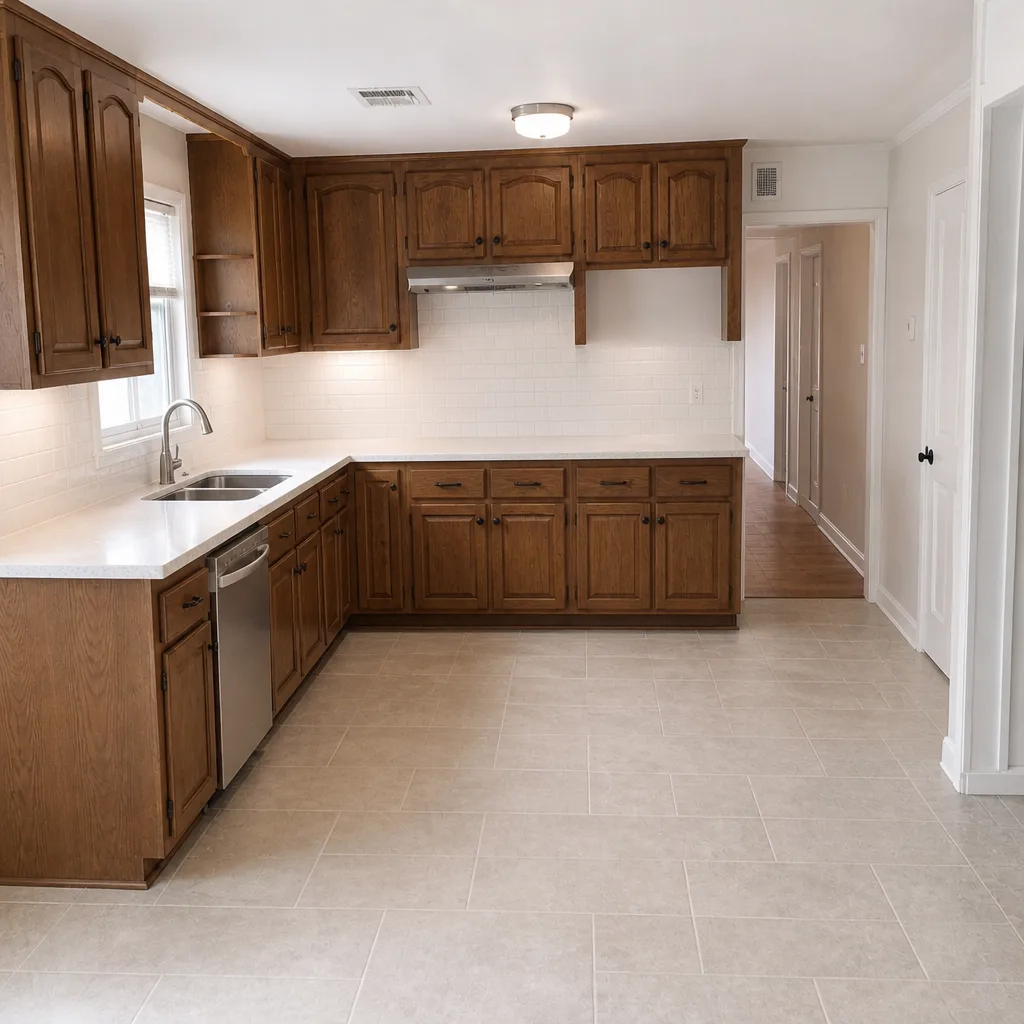 After
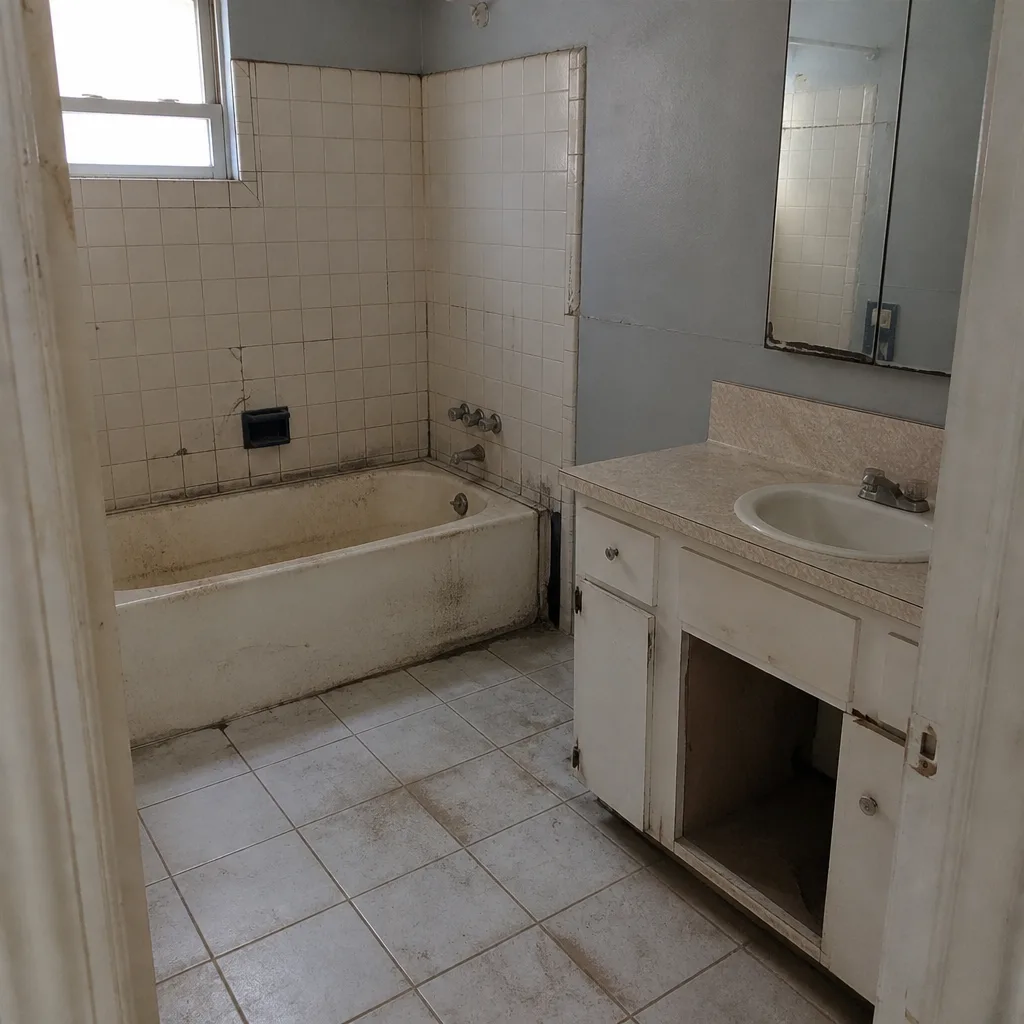 Before
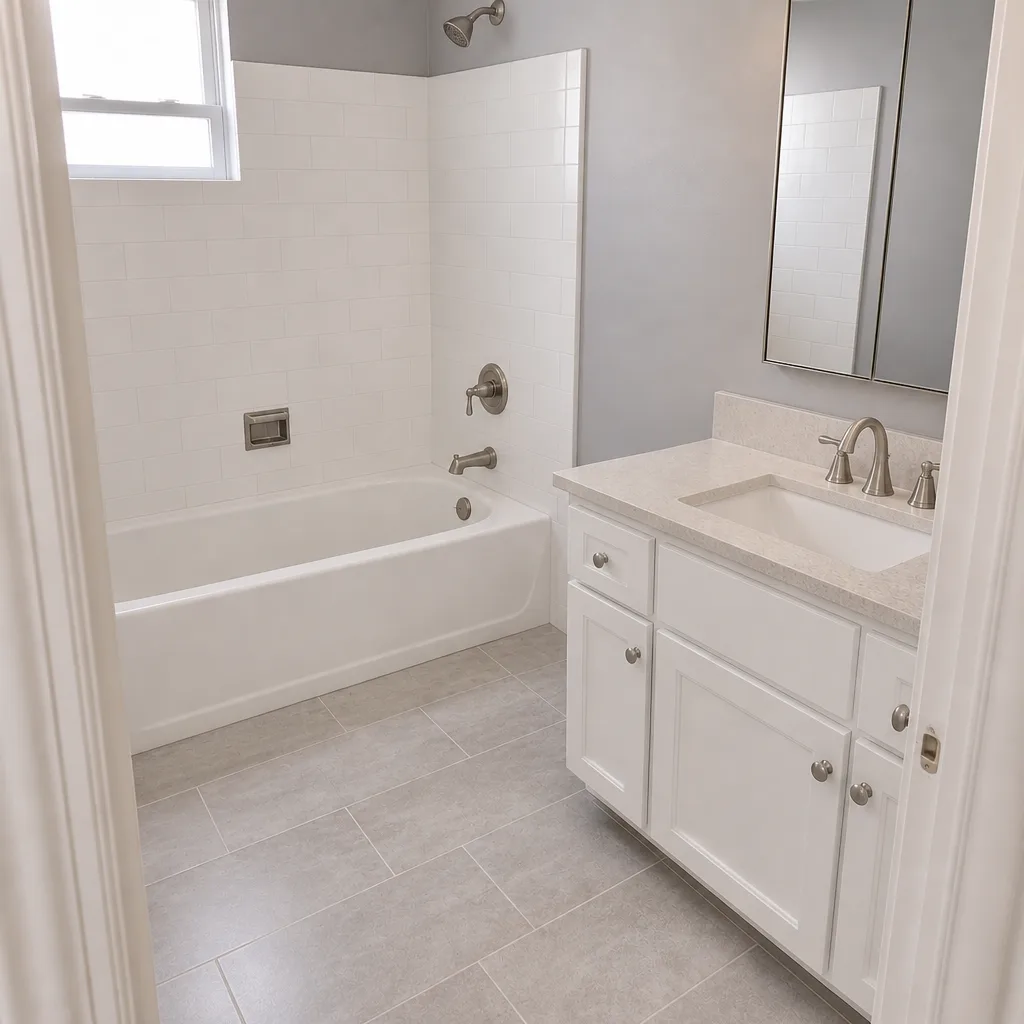 After
How Long Does a Metal Roof Last in Spring Valley, NV? The Honest Answer for the Mojave
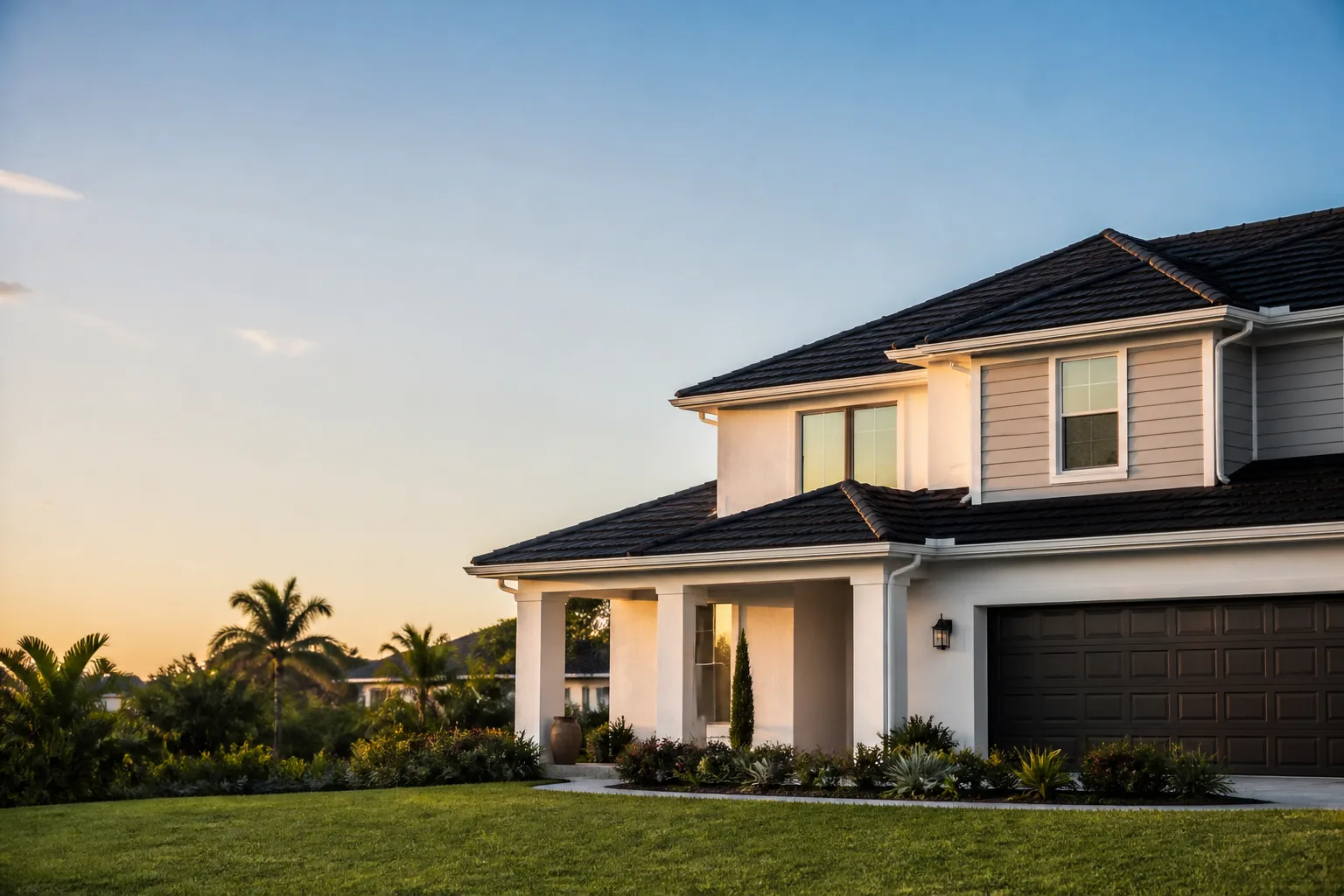
A metal roof in Spring Valley typically delivers 30-40 years when it’s a standing-seam system with a Kynar 500/PVDF coating over Galvalume or aluminum, and closer to 15-25 years when it’s a through-fastened steel panel with a standard polyester paint finish. The manufacturer’s 50-year claim was almost certainly tested in a temperate climate, not at 2,300 feet in the Mojave. Spring Valley’s 110°F summers, summer monsoon downpours, and near-freezing winter nights work metal, sealants, and fasteners harder than any national lifespan guide accounts for. If you’re weighing a metal roof now, Groundwork Construction Co. of Spring Valley can spec it for this climate and back the work for 730 days. Call (888) 329-9414 for a free estimate.
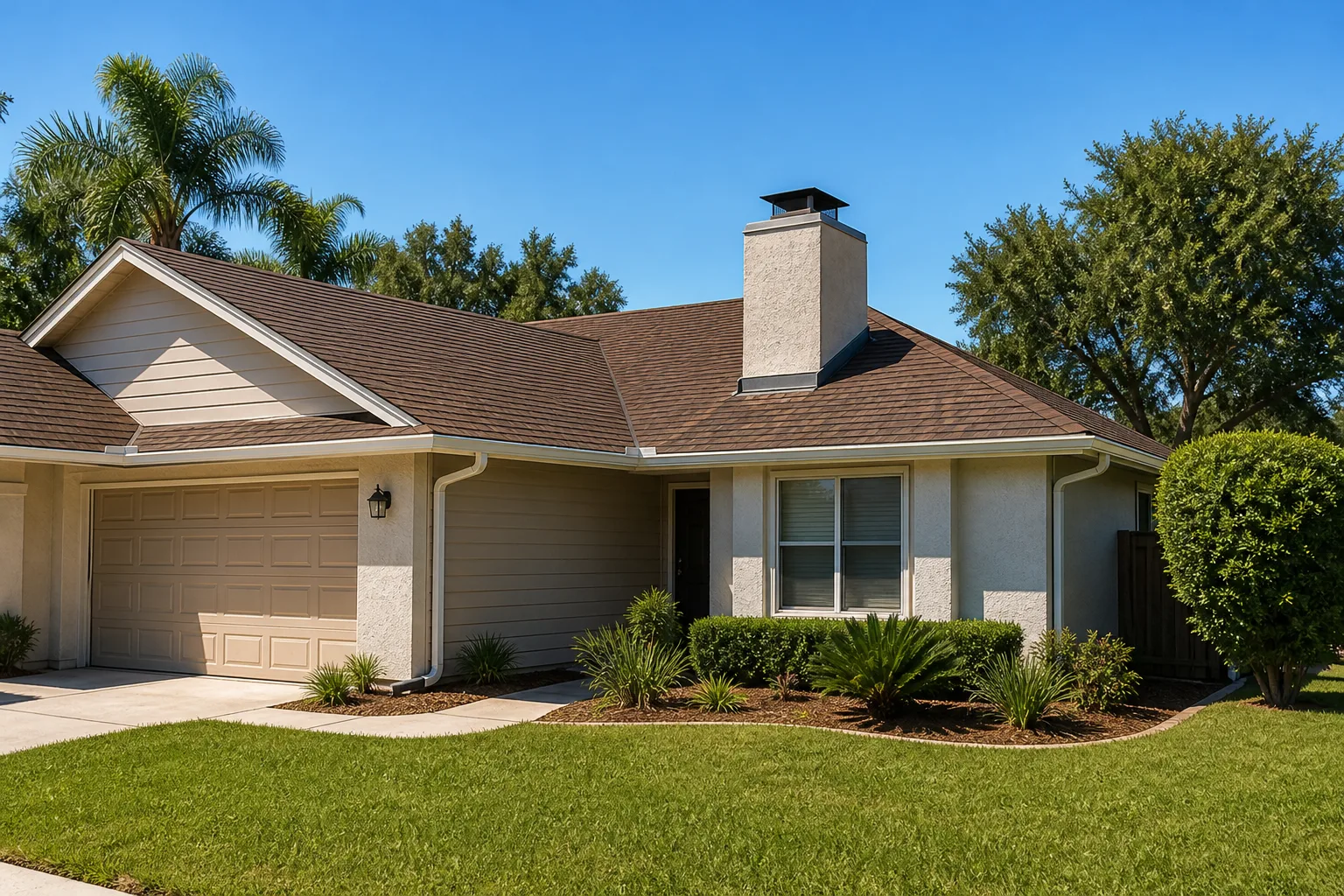
Why Spring Valley’s Climate Rewrites the Metal Roof Lifespan Chart
A steel roof rated for 50 years in Minnesota may realistically deliver 30-35 years in Spring Valley if it’s installed with through-fasteners and a standard PVDF coating. The Mojave doesn’t care about manufacturer marketing. The UV index in the Las Vegas metro averages 10-11 in summer, among the highest in the continental U.S., and that relentless sun degrades standard polyester paint coatings on steel panels far faster than the temperate test conditions behind most lifespan claims.
The seasonal swing does just as much damage. Spring Valley sits at roughly 2,300 feet, where summer highs routinely top 110°F and winter nights drop to freezing. The panels expand and contract through that range every year. Through-fastened systems take the brunt of it: the fastener holes micro-move with every cycle, and in this climate those systems develop leak paths within 15-20 years. On the western slopes near Rhodes Ranch, monsoon downpours push water hard against valley flashing and wall details while the metal is still heat-stressed from the day. That’s where slow intrusion starts, long before a homeowner sees a ceiling stain.
Most Spring Valley housing is 20-30 years old, mostly stucco-and-tile tract homes and gated master-plan subdivisions. Metal roof replacements here often come up mid-life, well before the original tile underlayment has fully failed. Getting the spec right on the first install matters more than on a fresh build, because the new roof has to outlast everything around it.
What to Look For in a Metal Roof That Actually Lasts Here
Not every product sold as a “metal roof” is built the same, and the gap between them in this heat is enormous. When we quote a metal roof in Spring Valley, these are the four specs we won’t compromise on:
- Hidden-fastener standing seam over exposed through-fasteners. Standing seam eliminates the thousands of penetrations that become leak paths as the metal cycles. Through-fastened panels are cheaper, but in Spring Valley’s thermal swing you’re trading lifespan for upfront cost.
- Kynar 500 or PVDF coating, not polyester. PVDF holds color and resists chalking under 10-11 UV index summers. Polyester paint on steel panels fades and degrades years ahead of schedule. This is the single biggest coating decision.
- Galvalume or aluminum substrate. Both handle desert conditions well when correctly detailed. The fasteners and sealants must be compatible with the panel material or you’ll get galvanic corrosion at the connection points.
- Proper valley and flashing detail. Monsoon season (July-September) dumps sudden high-intensity rain. Valleys, ridges, and wall intersections are where water finds gaps. Flashing detail is where a cheap install reveals itself, usually years later.
Brand partners matter too. We work with GAF and Owens Corning on residential roofs, and the metal systems we specify are chosen for coatings and substrates we can actually stand behind, not just what’s in stock. The right system, installed right, is built to last and backed in writing.
Metal Roof Spec Comparison for Spring Valley
| System | Realistic lifespan in Spring Valley | Why |
|---|---|---|
| Through-fastened steel, polyester paint | 15-25 years | Fastener micro-movement and UV-driven coating breakdown |
| Through-fastened steel, PVDF coating | 20-30 years | Coating holds longer; fastener leak paths still develop in 15-20 years |
| Standing seam, Kynar 500/PVDF, Galvalume | 30-40 years | Hidden fasteners, no penetrations, coating resists high-UV summers |
| Standing seam, aluminum substrate | 35-45 years | Corrosion resistance plus hidden fasteners in a demanding climate |
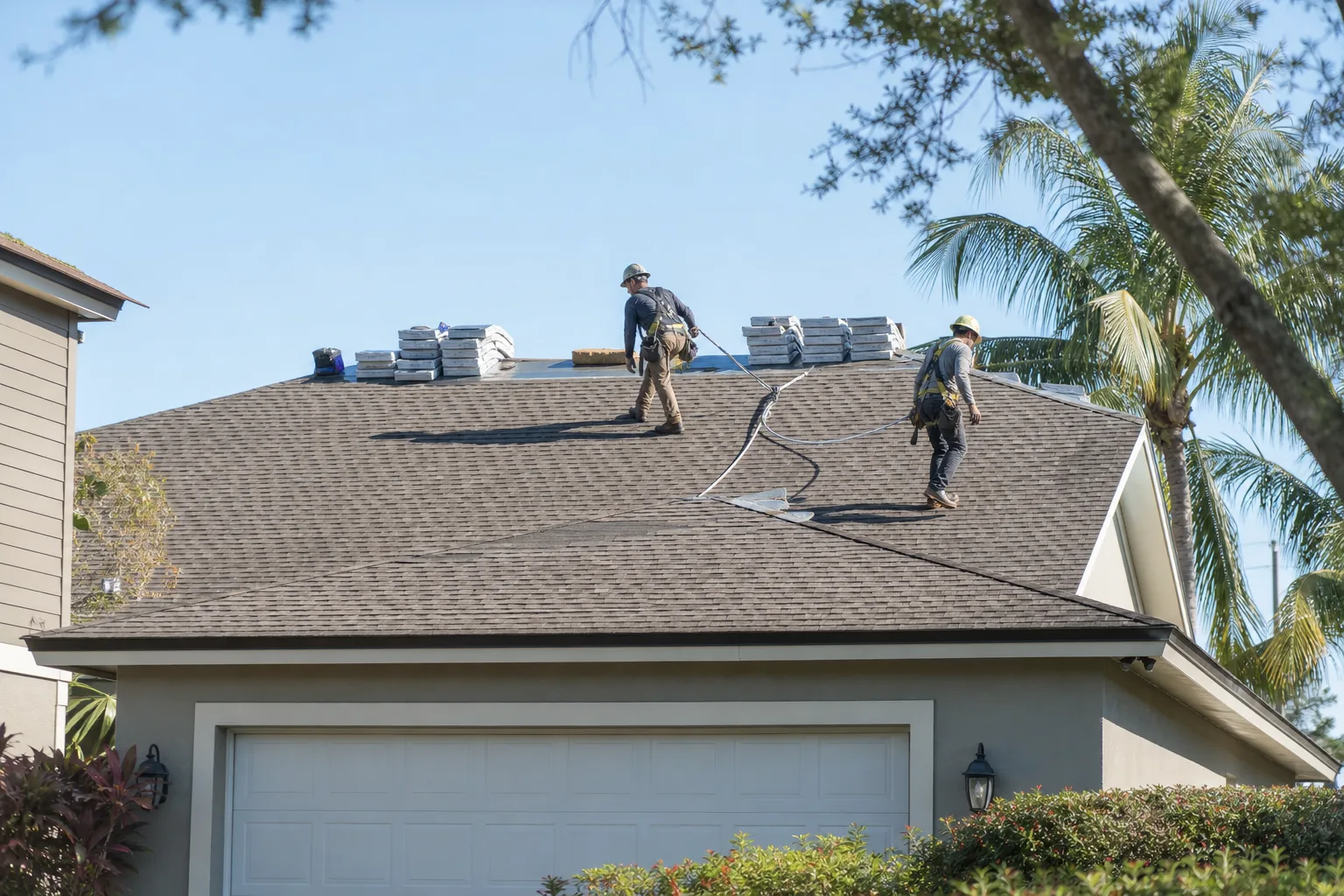
What Does a Metal Roof Cost in Spring Valley?
Metal roof installation in Spring Valley runs $15,000-$40,000 depending on roof size, pitch, panel type, and how much of the existing roof has to come off. For comparison, a standard roof replacement here runs $8,000-$20,000, and roof repair runs $400-$1,800. Many Spring Valley homes still carry their original concrete tile; a tile roof repair on those usually runs $600-$2,500, which is why some homeowners patch now and plan the metal install later.
We quote upfront pricing, no surprises. The number you see is the number you pay. Two of our standing offers make a large metal project more reachable: $1,000 off projects over $10,000, and 0% financing for 18 months. Every install is covered by our 730-Day Done Right Promise, one of the longest workmanship guarantees in the residential construction space. If it isn’t done right, we make it right.
For the full range of what we build around a roof, see our Roofing service, and to understand how we work across the area, visit our Spring Valley service area page.
How Do You Get the Most Years Out of a Metal Roof in the Mojave?
You get the most years from the spec and the installation. The most common cause of early metal roof failure in Spring Valley is a system chosen for price rather than climate: through-fastened panels with polyester coatings, flashed with standard sealants that dry out and crack in the UV. Within five or six summers, the sealant at valleys and penetrations has started to fail, and by year 15 the fastener leak paths are opening even if the panels themselves are fine. Choosing standing seam, PVDF coating, and correct flashing detail is what closes that gap.
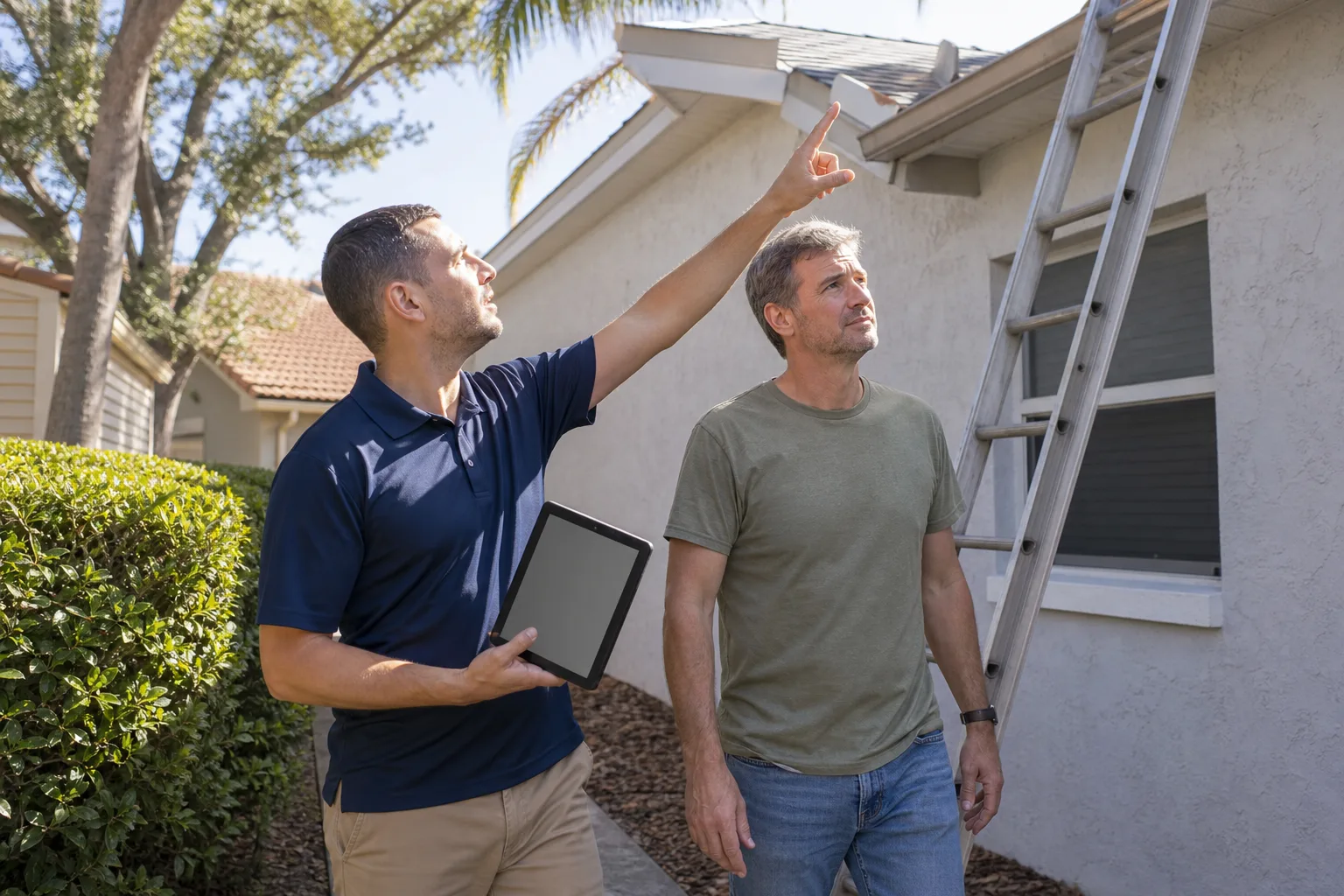
After installation, an annual inspection before monsoon season is the best maintenance you can do. Getting on the roof to check fasteners and sealants yourself isn’t worth the risk, though: steep-pitch and metal roof work is genuinely dangerous, and a fall from a Spring Valley roof is not a minor event. A trained professional should handle every roof inspection and any sealant touch-up. That’s what our background-checked, uniformed technicians do.
What Happens When a Metal Roof Starts to Fail?
Early metal roof failures in Spring Valley show up quietly. By the time a homeowner sees a ceiling stain after an August monsoon, water has often been working its way in for a couple of seasons. Because the interior staining and any roofline damage are hard to spot from the ground, the 730-Day Done Right Promise matters most for metal roofs. If an installation-related problem (a missed fastener, a flashing detail that leaks, a panel that oil-cans after the first summer) surfaces in the first two years, that window is documented and we come back. You’re not relying on a verbal handshake.
And if the monsoon hits at 11 PM in July and a homeowner notices water on the ceiling, our calls are answered by a live person, 24/7. No voicemail black hole, no waiting until Monday morning. Someone who can dispatch picks up. That’s a brand commitment, not a slogan.
FAQs About Metal Roofs in Spring Valley
A hidden-fastener standing-seam metal roof with a Kynar 500/PVDF coating typically lasts 30-40 years in Spring Valley, while through-fastened steel panels with standard polyester paint usually deliver 15-25 years here. The Mojave climate, not the manufacturer’s temperate test conditions, sets the real number. Call (888) 329-9414 for a no-pressure assessment of which spec fits your roof, and estimates are free.
Repair is cheaper in the short run, but replace when the leak paths have spread across the panel field. A repair on a localized flashing issue is a stopgap at best and may run within the $400-$1,800 roof repair range. Once through-fastened systems have developed multiple leak points after 15-20 years, patching chases a moving problem, and replacement is the better economics. Call (888) 329-9414 and we’ll tell you plainly which one your roof needs.
Yes. Spring Valley’s monsoon window runs July-September, so we schedule metal roof installs and repairs to finish ahead of that push whenever possible. Late spring is the busiest stretch, so calling early in the year gets you on the calendar sooner. Call (888) 329-9414 to check current availability.
Metal roof installation in Spring Valley ranges from $15,000 to $40,000, depending on roof size, pitch, panel type, and tear-off. Upfront pricing means the quote you get is the number you pay, with $1,000 off projects over $10,000 and 0% financing for 18 months available. Call (888) 329-9414 for an exact quote.
If you’d rather have a metal roof looked at before the next monsoon, Groundwork Construction Co. of Spring Valley offers a no-pressure assessment in Spring Valley. We answer calls with a live person 24/7, quote upfront pricing, and back every install with our 730-Day Done Right Promise. Call (888) 329-9414 for a free estimate and design consult. From foundation to finish line, on the roof as much as anywhere else.
Written by the team at Groundwork Construction Co. of Spring Valley, serving Spring Valley, NV.