Last updated November 17, 2026





Free written scope consultation - allowances, timeline, and change-order rules on paper before a single trade is scheduled
How Long Does Bathroom Remodeling Take? Timelines and What to Expect
A “two-week” bathroom remodel that drags into week five usually isn’t a story about slow tradespeople. It’s a story about the time nobody put on the schedule: the 72-hour mortar cure before tile, the inspect-and-wait gap after rough-in, the custom fixture that was back-ordered six weeks and didn’t get ordered until demo day. Most schedules homeowners get show the work. They don’t show the waiting. In this guide we’ll walk the full phase-by-phase timeline, explain how scope changes it, and lay out exactly what a realistic schedule for a Spring Valley home should include – so you can walk into your project knowing where the gaps are before your bathroom is in pieces.
Quick Answer
A cosmetic bathroom refresh in Spring Valley typically takes 1 to 2 weeks, a full gut remodel runs 4 to 8 weeks of active work plus 2 to 4 weeks of hidden waiting (dry times, inspections, material arrivals), and a layout change that moves plumbing or walls lands at 8 to 12 weeks end to end. Add $0 to your budget for the waiting – but add real calendar days, because it’s the waiting, not the labor, that explains almost every “it’s taking longer than quoted” story.
Styles & brands we work with
- Kitchen remodeling
- Bathroom remodeling
- Home additions & ADU
- Roofing
- Windows & doors
- Driveway & pavers
- Fence
Table of Contents
- The phase-by-phase bathroom remodel timeline
- How scope and bathroom size change the timeline
- The hidden time: dry times, cure times, and inspection holds
- What Spring Valley permit inspections add to the schedule
- Material lead times: the problem nobody scopes before demo
- Questions to ask before you sign for real milestone dates
- Common mistakes to avoid
- When to call a professional
The Phase-by-Phase Bathroom Remodel Timeline
Here’s the honest sequence of a full gut remodel, with the realistic duration of each phase including the gaps. This is not a marketing schedule – it’s the one that holds up when a pipe doesn’t line up or an inspection slot moves.
- Design and selections – 1 to 3 weeks. Tile, vanity, fixtures, and finish choices locked in writing. Every week you delay selecting here gets added to the end, not absorbed. We’ve watched a single undecided faucet choice cost a homeowner ten days.
- Permit filing and approval – 1 to 3 weeks. Depends on scope and how complete the drawings are.
- Demo – 1 to 3 days. Fast phase. Not where the time goes.
- Rough-in (plumbing, electrical, framing) – 3 to 5 days. The work no one sees and no one wants to pay for, but it’s the spine of the job.
- Inspection hold – 1 to 5 business days. The gap. You can’t close walls until the inspector signs off, and the slot is out of your contractor’s hands.
- Waterproofing and cure – 1 to 3 days of work, plus drying. A quality waterproofing membrane like Schluter’s system needs to cure before tile goes over it. Skipping the cure is how you get a leak two summers later.
- Tile set and grout – 3 to 7 days. Depends on square footage and pattern complexity. A herringbone floor takes longer than a straight-lay 12-inch tile.
- Fixtures, vanity, and finish work – 2 to 4 days. A quality name like Grohe on the shower valve means fewer callbacks, not zero install time.
- Final inspection and punch list – 3 to 7 days. The last gap. Don’t schedule your tile guy’s final walk-through the same week as the final inspection.
The active labor in that list is roughly 3 to 4 weeks. The rest is the waiting. That’s why a full gut is a 6 to 10 week project on the calendar, even though your crew is only in the house a fraction of those days.
How Scope and Bathroom Size Change the Timeline
“Bathroom remodel” covers four very different projects, and each one carries a genuinely different timeline. Getting this wrong is the number one reason a quote sounds too good. Here’s how the ranges shake out:
- Cosmetic refresh (paint, vanity swap, new fixtures, same layout, no tile change): 5 to 10 working days. Often no permit needed. This is the one project that can genuinely hit a “one-week” quote.
- Mid-scope (new tile, new vanity, new shower surround, no layout change): 2 to 4 weeks of calendar time. Some permits required, larger dry-time exposure.
- Full gut (studs exposed, all new plumbing fixtures, new waterproofing, new tile): 5 to 8 weeks calendar. Permits plus rough-in inspection. Hidden time is meaningful here.
- Layout change (moving the toilet, tub, or shower; relocating plumbing): 8 to 12 weeks. The plumbing re-route adds design time, rough-in complexity, and a lengthier inspection window.
Bathroom size matters less than people think. A 5×8 hall bath and a 10×12 primary bath differ on tile-set days (2 to 4 extra) and material delivery timing, but the dry times and inspections are fixed regardless of square footage. A modest square footage with a layout change takes longer than a large bathroom with the same footprint and no plumbing moved. If you’re planning a larger addition alongside the bath, our team covers how full builds sequence in our guide to Home Additions & ADU in Spring Valley.
The Hidden Time: Dry Times, Cure Times, and Inspection Holds
Ask any homeowner who’s been through a full gut what they remember most, and it’s rarely the demolition. It’s the days when nothing visibly happened. Those days are real, necessary, and almost always unaccounted for on the initial schedule. Here’s what actually fills them:
- Mortar bed and thinset cure: 24 to 72 hours before grout, sometimes longer in high-humidity conditions. Spring Valley’s dry climate helps here – cure times hit the lower end of the range in our valley – but they don’t disappear.
- Waterproofing membrane cure: 12 to 24 hours on a Schluter-style system before tile, plus a flood test if the local code requires one. A flood test is typically a 24-hour hold with no work happening.
- Rough-in inspection: 1 to 5 business days from the day you call it in. This is the single most variable piece of the schedule and the one most often left out of the quote.
- Grout cure: 24 to 72 hours before sealing and before heavy use.
- Plumbing pressure testing: Often a day, sometimes more if there’s a leak to chase down.
Add those together. A typical full gut with a flood test and a rough-in inspection spends 4 to 8 additional days waiting on physics and the inspection calendar, not on your contractor. That alone explains a “two-week” job that takes three.
What Spring Valley Permit Inspections Add to the Schedule
Most bathroom remodel timelines on the internet are written for a national audience and don’t account for how a specific jurisdiction schedules inspections. Spring Valley is unincorporated Clark County, so permits go through Clark County’s building department, not a separate city department. That matters in two ways: the standard review times and inspection windows run on the county’s calendar, and the county’s online scheduling system is what determines your hold, not your contractor picking up the phone.
Here’s how Clark County inspections actually play into a Spring Valley project:
- Permit review – typically 1 to 3 weeks for a bathroom permit. Complete drawings and a clean set of plans shorten the review. A plan check comment cycle adds a week or more to the front end.
- Rough-in inspection – scheduled through the county system, often 24 to 72 hours out. A quality contractor books this slot early in the week to avoid Friday-afternoon hang-ups.
- Final inspection – usually available within 2 to 5 business days after rough-in passes and the finish work is done. Getting the timing right here is often where a good schedule beats a sloppy one – we plan finishes against the inspection calendar, not the other way around.
That’s the schedule for a project that goes according to plan. A complicated layout, unusual fixture, or change in scope can trigger a plan-resubmittal cycle that adds 1 to 2 weeks to the Spring Valley calendar. Skip the permit and you’re looking at worse: an inspection failure, a re-do, and a delay you can’t schedule your way out of. Pull the permit, pass the inspection, and the schedule holds.
Material Lead Times: The Problem Nobody Scopes Before Demo Starts
This is where most bathroom remodel schedules break, and it’s the easiest fix if you deal with it early. Material lead times aren’t a supply-chain story you hear about on the news – they’re a “did anybody call the tile distributor three weeks ago” story. Here’s what typically happens:
- Standard in-stock tile: 2 to 5 days. Fine if it’s what you actually want.
- Custom or special-order tile: 3 to 6 weeks. This alone can push your install phase back by a full month.
- Custom vanity: 4 to 8 weeks. A KraftMaid or similar custom vanity isn’t sitting in a warehouse – it’s built to order.
- Specialty fixtures (freestanding tub, specific shower valve, unusual toilet): 1 to 4 weeks, sometimes longer.
- Back-ordered items: Unpredictable. Six to twelve weeks is not rare.
The rule that solves most of this: every long-lead item should be ordered and confirmed in writing before demo day, not during it. That’s less a contractor flexibility issue and more a disciplined schedule built from the start. Our standard practice is to lock down the material book in the design phase and refuse to start demo until the long-lead items have a confirmed delivery window. It’s slower at the start and dramatically faster at the end. If your materials decisions are still in progress, the schedule isn’t ready yet.
Questions to Ask Before You Sign for Real Milestone Dates
Most quotes you’ll get in Spring Valley are one- or two-page documents with a single completion estimate at the bottom: “Approximately 6 to 8 weeks.” That gives you no way to know if you’re on track or off the rails until week nine. Before you sign, ask for these, and don’t settle for vague answers:
- “What’s the start date and what triggers it?” A real date, not “two to three weeks after signing.” Get it in writing.
- “Can I see the milestone schedule with dates for demo, rough-in, rough-in inspection, tile start, and final inspection?” A contractor who can produce this is a contractor who builds schedules, not just estimates.
- “What are the long-lead items and when are they ordered?” If the answer is “we’ll order when the demo starts,” push back.
- “How are inspection windows built into the schedule?” A good contractor already has the Clark County permit timeline in the plan.
- “What’s the contingency window for a failed inspection or a change order?” A realistic 3 to 7 day buffer per inspection is a good sign, not a bad one.
- “What’s the payment schedule and are change orders priced in writing before work starts?” Upfront pricing, no surprises – a live person answers this question, and the schedule should reflect it.
- “What’s the workmanship warranty?” Ours is the 730-Day Done Right Promise – if it’s not done right, we make it right, and that commitment is in writing, not verbal.
Any contractor who has built a real schedule in Spring Valley will be able to answer all seven without a pause. A contractor who can’t probably won’t hold the schedule you’re shown, because there isn’t one.
Common Mistakes to Avoid
- Not ordering long-lead materials before demo. The single biggest schedule killer. Custom tile and vanities arrive in weeks, not days – order first, demo second.
- Choosing a quote based on total price only. A quote that’s 15% lower than the others is usually missing a permit fee, an inspection line, or a material upgrade. Compare scope, not just the bottom line.
- Skipping the permit to save two weeks. In Spring Valley, this makes inspections impossible and re-do work far more expensive than the permit was.
- Changing the layout mid-project. Moving a valve or a drain after the walls are closed adds a new inspection cycle, not just a few hours of labor.
- Not deciding design choices before demo starts. Indecision on a faucet is real budget, real calendar days, and real stress.
- Scheduling tile or a final inspection for the same week as a family event. Leave a buffer. A Spring Valley summer and a graduation party on the same Saturday is not a good pairing with a punch list.
- Skipping the pre-construction walkthrough with your contractor. A half-hour of alignment on sequencing and material readiness saves days of rework and saves the classic “I didn’t know the tile wasn’t ordered” conversation.
When to Call a Professional
If your bathroom needs anything beyond paint and a fixture swap, a professional assessment saves you a schedule you’d otherwise blow on failed plumbing or a leaky waterproofing layer. Specific scenarios where you should call us before starting: a layout change that moves the toilet or tub, a tile shower that will be rebuilt from scratch, a property with older plumbing where rough-in surprises are likely, and any project that needs a permit. DIY on a cosmetic vanity swap is fine; DIY on a water line or a waterproofing bed is how you get a $4,000 repair two years later. Groundwork Construction Co. of Spring Valley offers free estimates in Spring Valley – call (888) 329-9414 to schedule yours, and we’ll bring a milestone schedule to the first meeting, not just a price.
See the difference
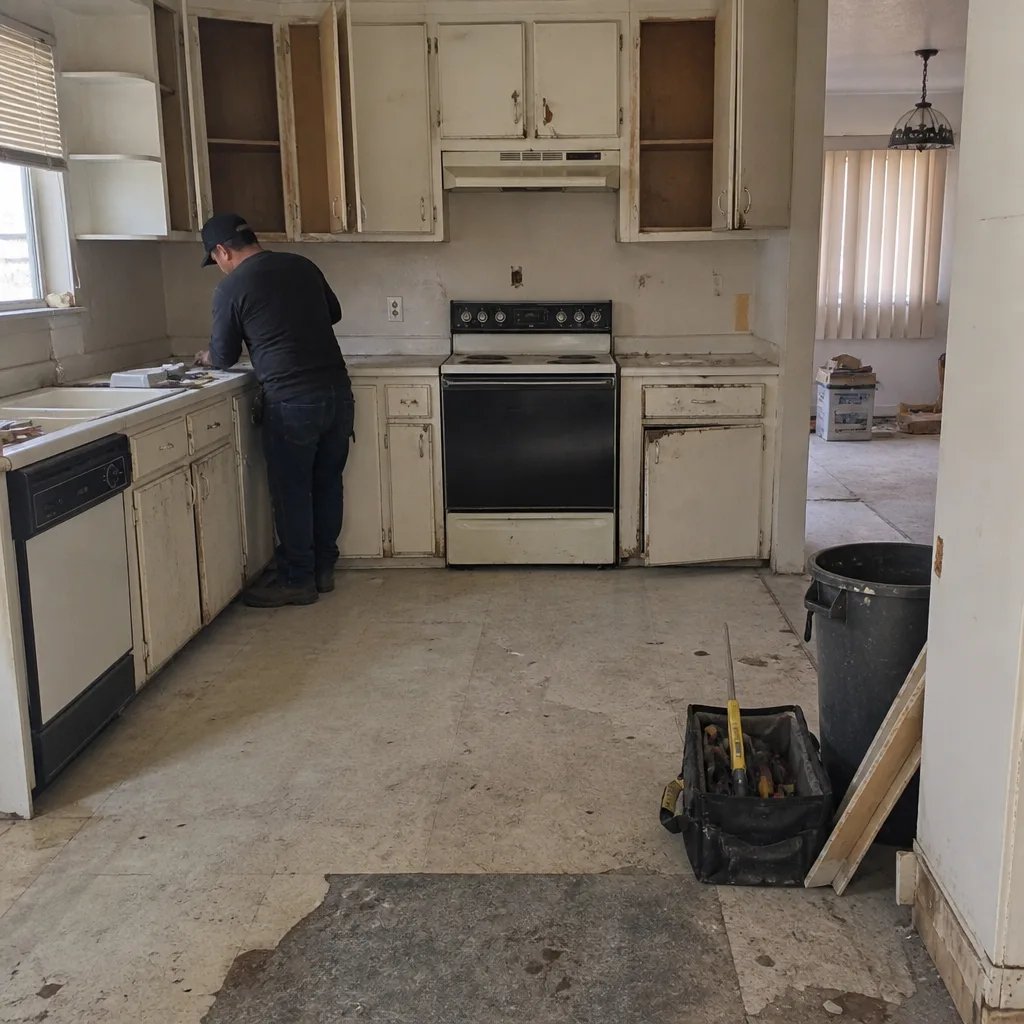 Before
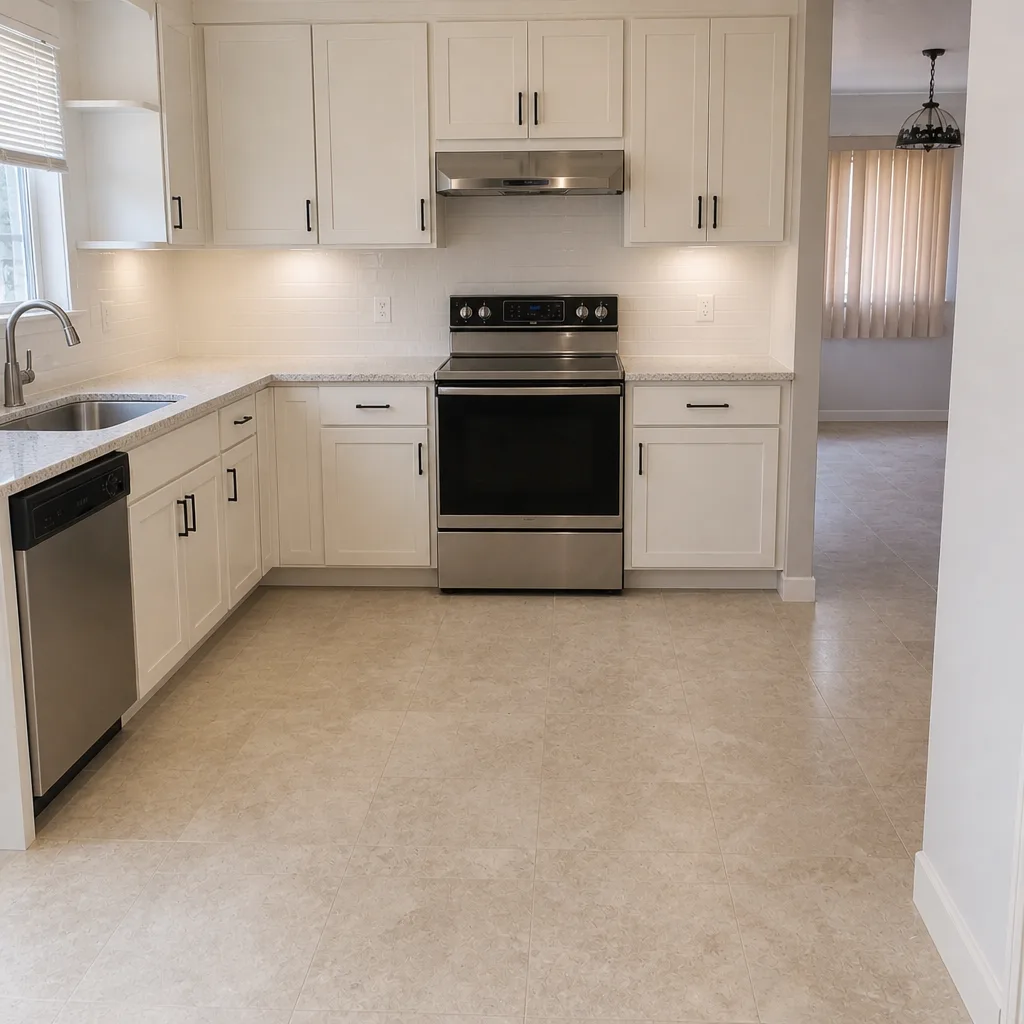 After
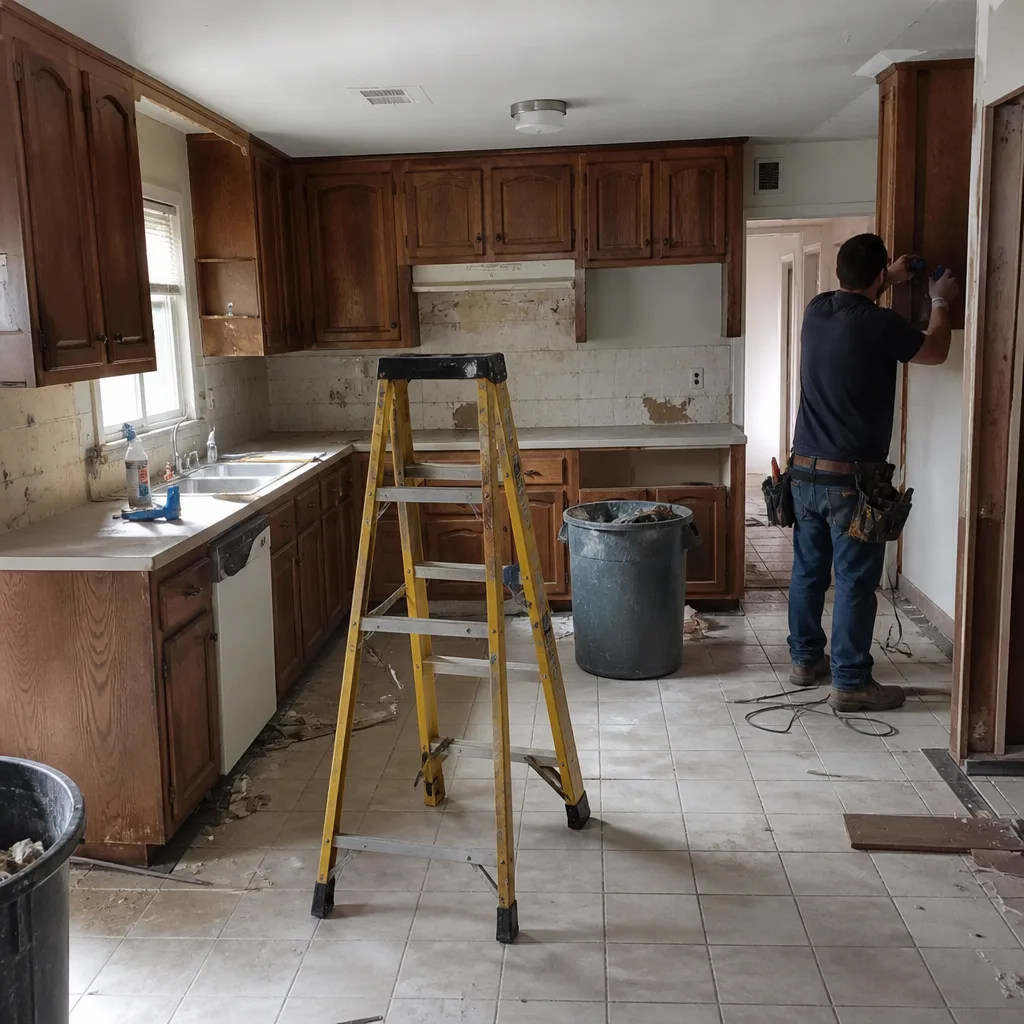 Before
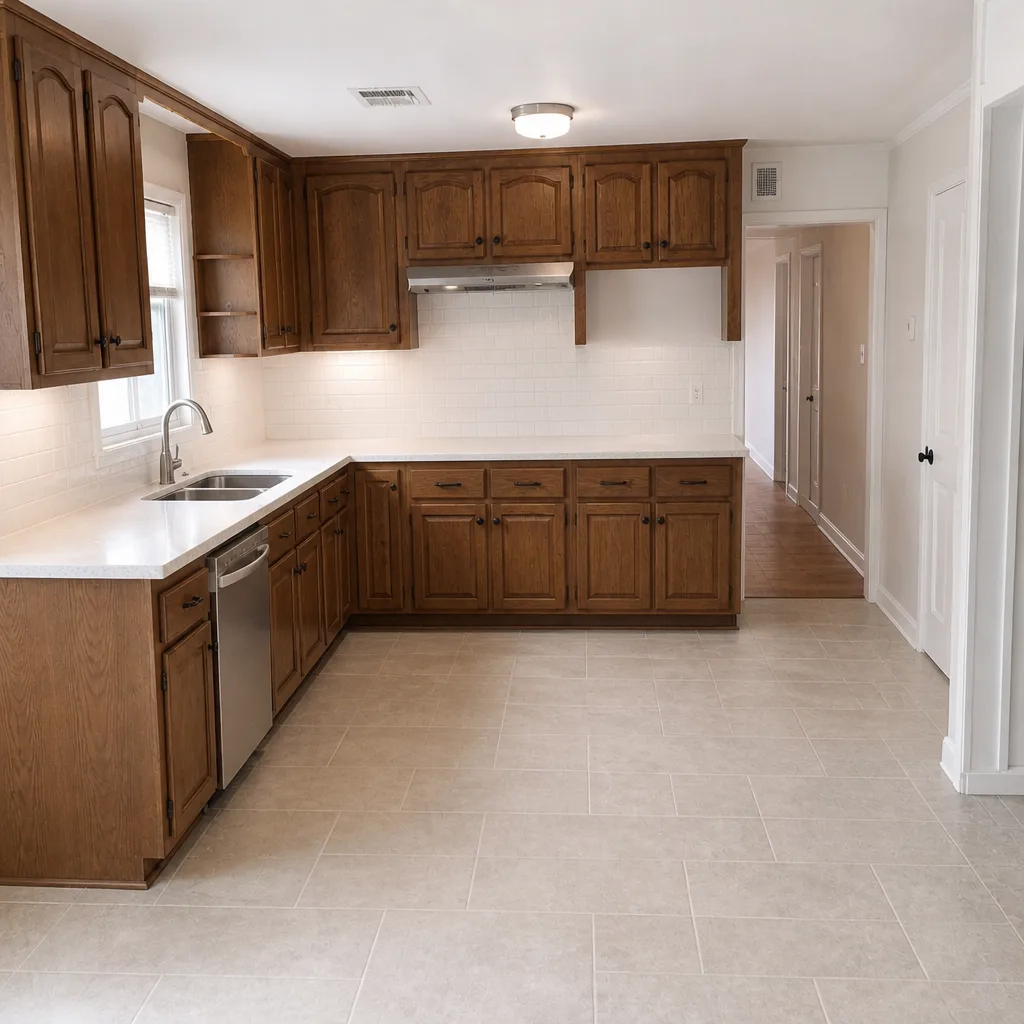 After
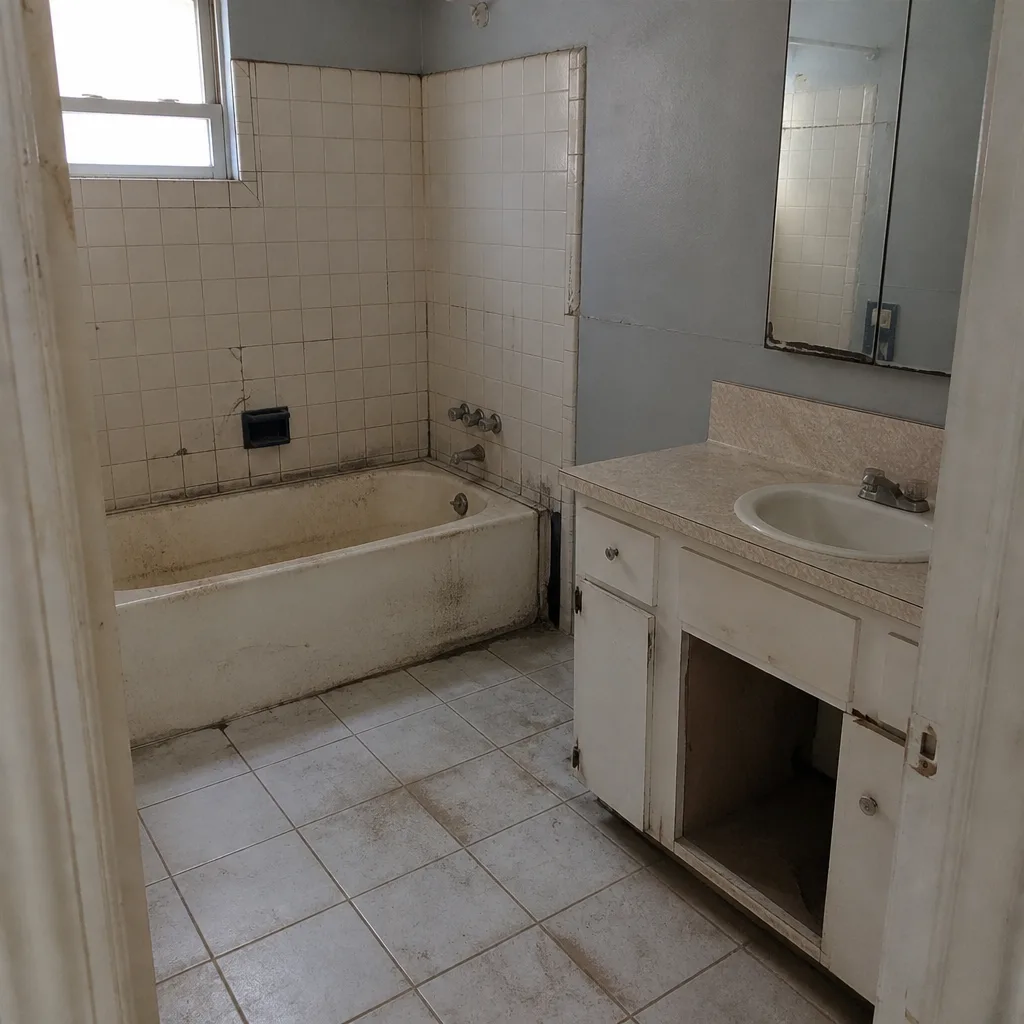 Before
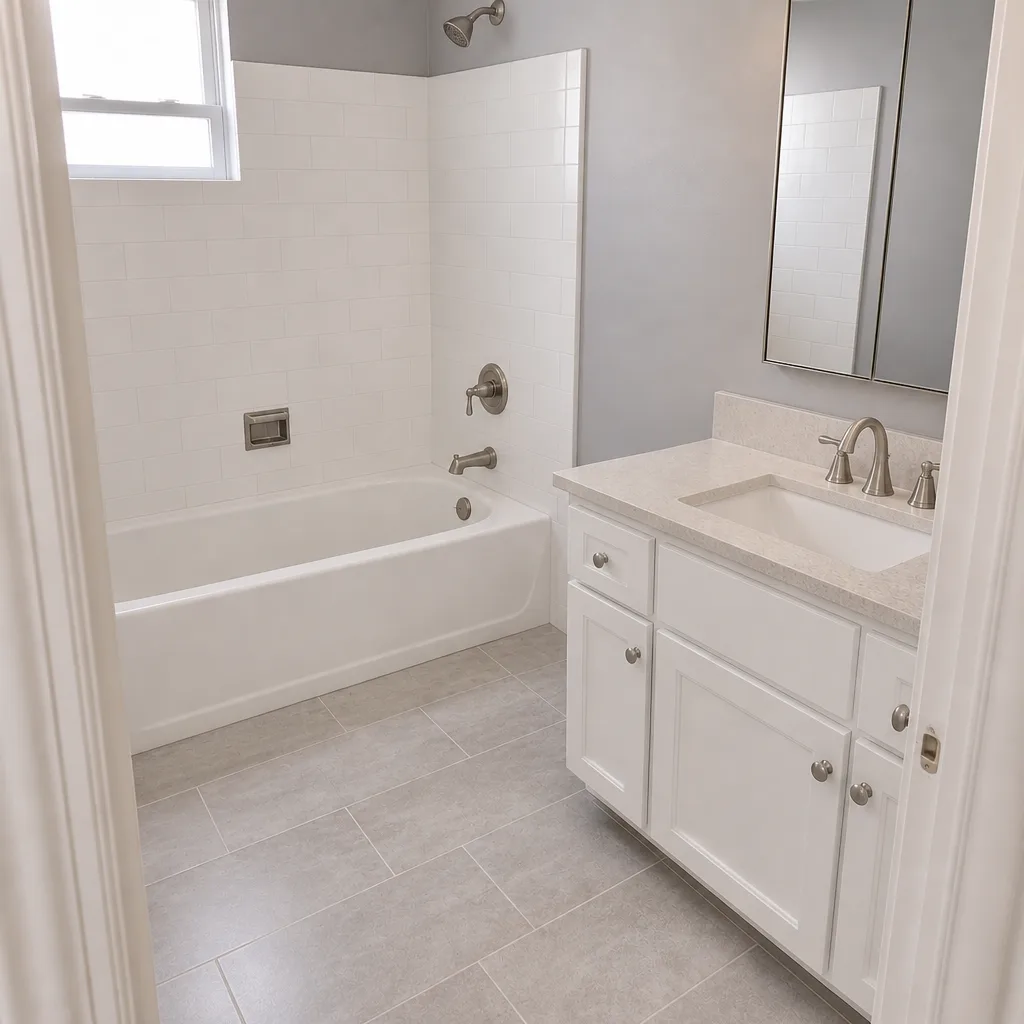 After
Frequently Asked Questions
A full gut bathroom remodel in Spring Valley typically takes 6 to 10 weeks end to end, with 3 to 4 weeks of that being active labor and the rest being dry times, inspection holds, and material lead times. A cosmetic refresh runs about 5 to 10 working days, and a layout change runs 8 to 12 weeks. Call (888) 329-9414 for an exact timeline based on your scope.
Most estimates are wrong not because the labor is slow, but because the schedule leaves out the waiting: 72-hour mortar cure, 24- to 72-hour waterproofing cure, 1 to 5 day rough-in inspection holds, and 3 to 6 week material lead times. If your estimate says “two weeks” and the schedule doesn’t mention dry times or inspections, it was never going to be two weeks. Call (888) 329-9414 to see what a realistic schedule looks like before you sign.
Yes, in almost every case. Spring Valley is unincorporated Clark County, and any project that moves plumbing, electrical, or structural framing – and any full gut – requires a county permit. Even many non-structural remodel projects fall under permitting rules, so it’s worth asking before starting. Skipping the permit can lead to inspection failure, re-do work, and a much longer schedule than if you had pulled it. Our Spring Valley crew pulls the permits and plans inspections into the schedule from day one; call (888) 329-9414 to confirm your project’s scope.
A shower-only or tub-only remodel is a real scope and typically runs 2 to 4 weeks end to end, with most of the timeline coming from waterproofing cure and tile set, not from demolition. If the rest of the bathroom is staying, this is often the most efficient option. If the rest of the bathroom needs updating too, the combined project usually takes only a few more weeks than the shower alone. Call (888) 329-9414 to review scope options.
A tightly scoped full gut with all materials on site, all selections locked, and no layout change can realistically complete in about 4 to 5 weeks. Getting faster than that requires skipping a cure time or the inspection process, both of which cost more later. The realistic floor for a full gut is four weeks of calendar time; anyone promising less is quoting labor hours, not a real schedule. Call (888) 329-9414 to schedule a free estimate and a milestone schedule.
Yes – every project is covered by our 730-Day Done Right Promise. If it’s not done right, we make it right. That’s one of the longest workmanship guarantees in the residential construction space, and it’s in writing, not verbal. It’s why we plan the schedule with cure times and inspections in it, not around them. Call (888) 329-9414 to review the promise, the plan, and a free estimate side by side.
The Bottom Line
The bathroom remodel timeline that matches reality is 5 to 10 working days for a cosmetic refresh, 5 to 8 weeks for a full gut, and 8 to 12 weeks for a layout change, in Spring Valley and pretty much everywhere else. The work itself is a fraction of those weeks. Most of the calendar is dry times, waterproofing cure, Clark County inspection holds, and material lead times – all of which you can scope and schedule if you deal with them before demo starts. Get a milestone schedule with real dates, order long-lead items early, pull the permit, and pick a contractor whose schedule includes the waiting. That’s the difference between a project that takes a month and one that takes three.
If you want a realistic schedule next to a free estimate, our team is ready. From foundation to finish line, we build the plan around cure times, inspections, and material windows instead of hoping they work out. We’re a full-scope partner in Spring Valley, and we back every project with the 730-Day Done Right Promise. Plans around the house are shifting too? Our crews handle Driveway & Pavers in Spring Valley and Fence Installation in Spring Valley, and you can read more about our full scope at Groundwork Construction Co. of Spring Valley home.
Call (888) 329-9414 to schedule your free estimate. A live person answers 24/7, no voicemail, no waiting. We’ll bring a milestone schedule and upfront pricing – no surprises – to the first meeting, along with 0% financing for 18 months and $1,000 off projects over $10,000 for qualified jobs. Whether you’re updating a hall bath or gutting a primary suite, you’ll know exactly what happens each week, when the waiting happens, and what the whole project costs before demo day.
Written by the team at Groundwork Construction Co. of Spring Valley.